
I-beam bricks have a stable structure, are resistant to stress damage, and have significant value in terms of energy saving and durability. They can adapt to the high-temperature, complex, and harsh operating conditions of industrial kilns. The thermal expansion adaptability of I-beam bricks can reduce the risk of cracking and peeling when the kiln is started and stopped, and can also reduce heat loss and save energy.
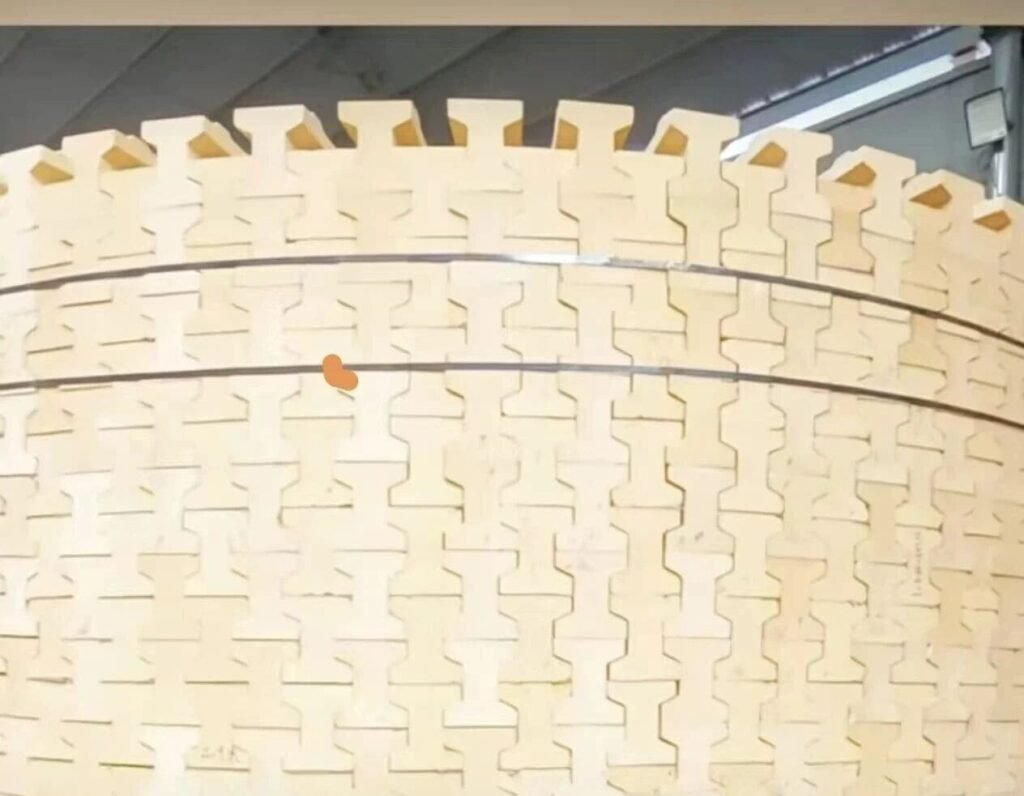
In industrial kiln linings, the brick design of the kiln lining is very important. A reasonable brick design can extend the service life of the kiln lining. Nowadays, calcining furnaces, double-hearth furnaces, and sleeve kilns have changed the traditional flat refractory brick design. I-beam bricks are used for important and demanding parts. The mortise and tenon interlocking structure of I-beam bricks can greatly improve the overall integrity of the kiln lining.
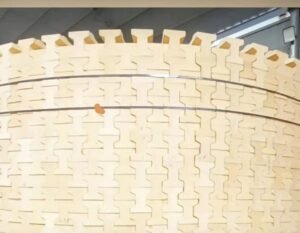
Under fluctuating kiln temperatures, the interlocking mortise and tenon structure of the I-beam bricks allows for seamless interlocking between upper and lower layers, as well as within the same layer, effectively preventing brick loss and gap formation. The irregular shape of the I-beams also allows for reasonable expansion gaps, creating a gentle buffer space between the bricks and reducing stress concentration that could damage the kiln lining. The staggered laying method eliminates the risk of continuous joints in flat bricks. Even under conditions of high-temperature flue gas and molten slag erosion along the joints, the interlocking structure provides thermal shock resistance and extends the kiln’s corrosion resistance lifespan.
Another advantage of I-beam bricks is that they rely on mortise and tenon joints for positioning and alignment. During later maintenance, a single damaged I-beam brick can be disassembled and replaced independently. When repairing a small area, it is not necessary to remove a large area of surrounding bricks, which greatly reduces maintenance time and costs. Furthermore, the I-beam bricks distribute stress evenly, and their special cross-sectional structure can disperse the internal pressure of the kiln. When the material scouring load is severe, it can prevent excessive local stress, which can lead to brick wear and deformation.