Knowledge Center
Explore the latest advancements in refractory materials, global market trends, and expert insights from HaoShi's 15+ years of manufacturing excellence.
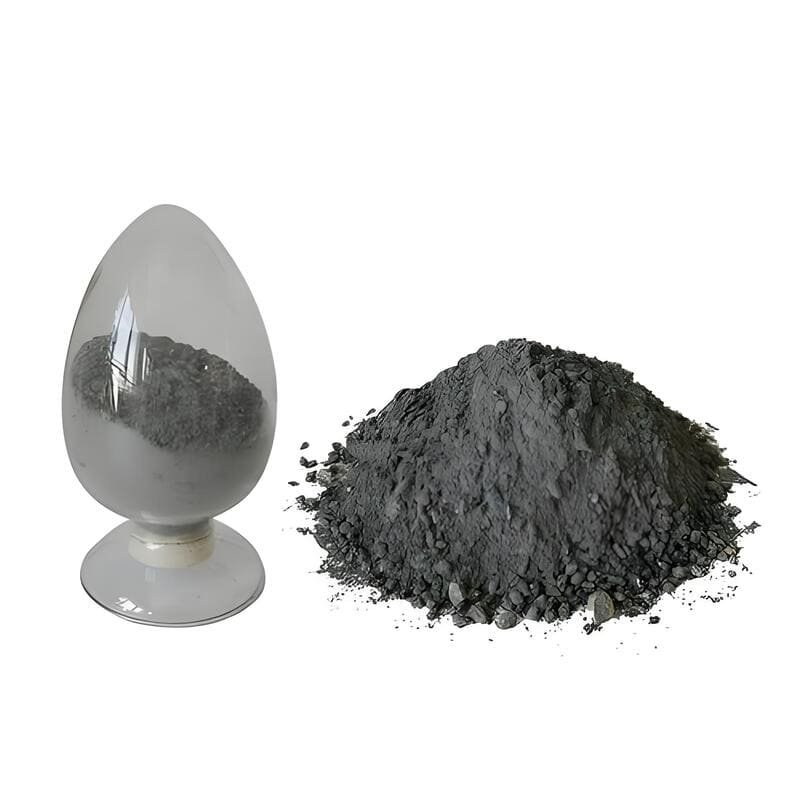
Technical Advantages and Development Prospects of Refractory Castables
Thanks to its comprehensive advantages—including convenient installation, adjustable performance, eco-friendliness, energy efficiency, and superior airtightness—monolithic refractory castables have emerged as...
Read More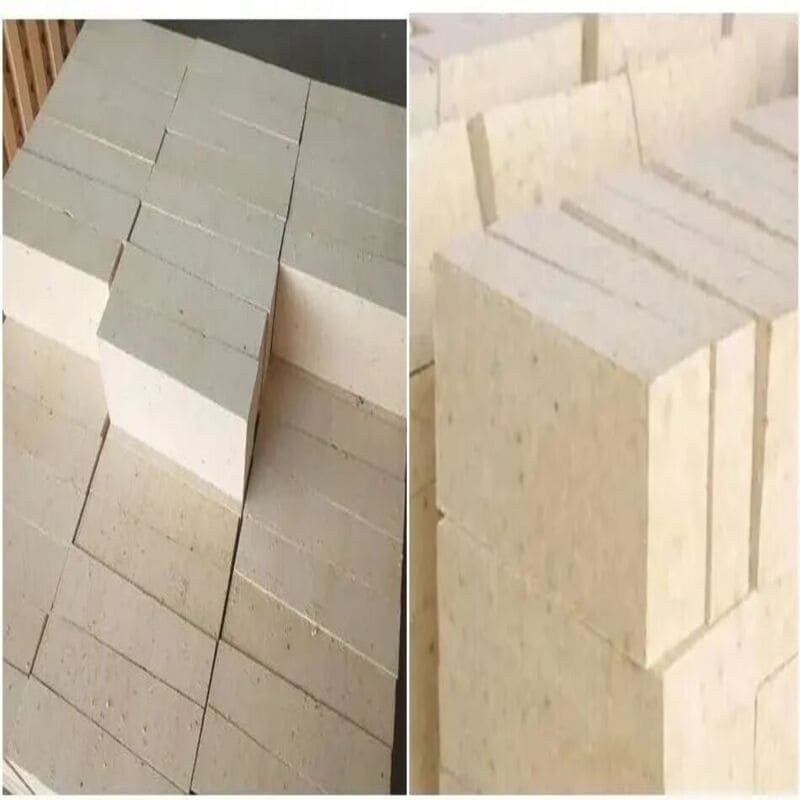
The Importance of Sintering Temperature to the Quality of High-Alumina Bricks
I. Overview As a quintessential neutral refractory material, the comprehensive performance of high-alumina bricks is contingent upon a multitude of...
Read More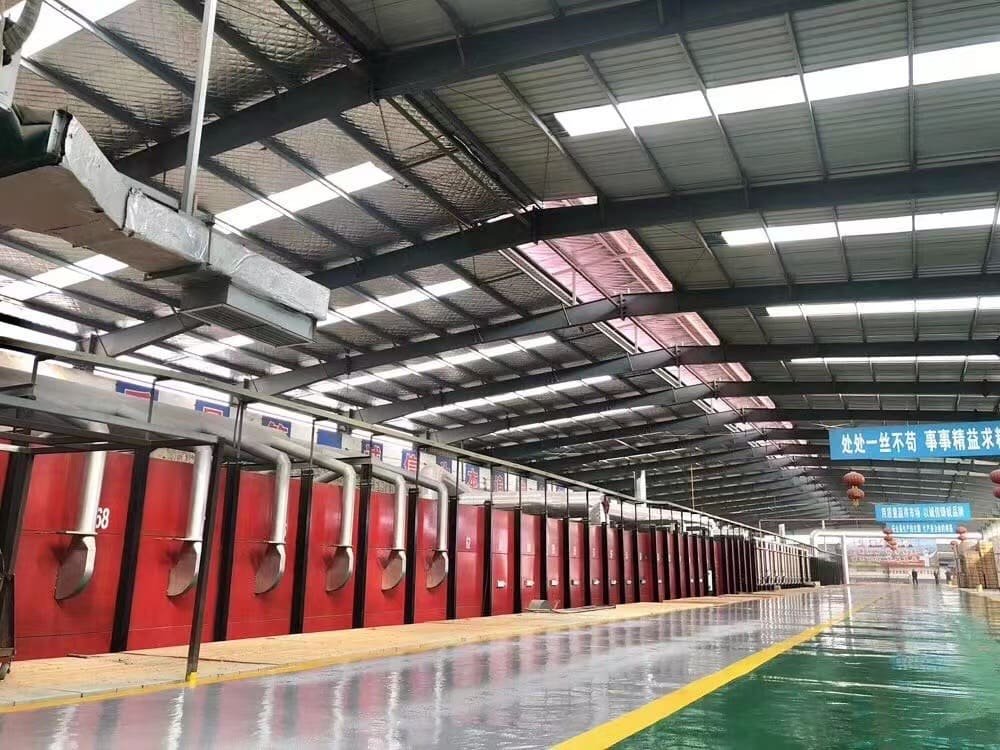
how to make refractory
Refractory manufacturing involves three core stages: raw material selection, forming, and firing. The specific process depends on the product type—shaped bricks require pressing...
Read More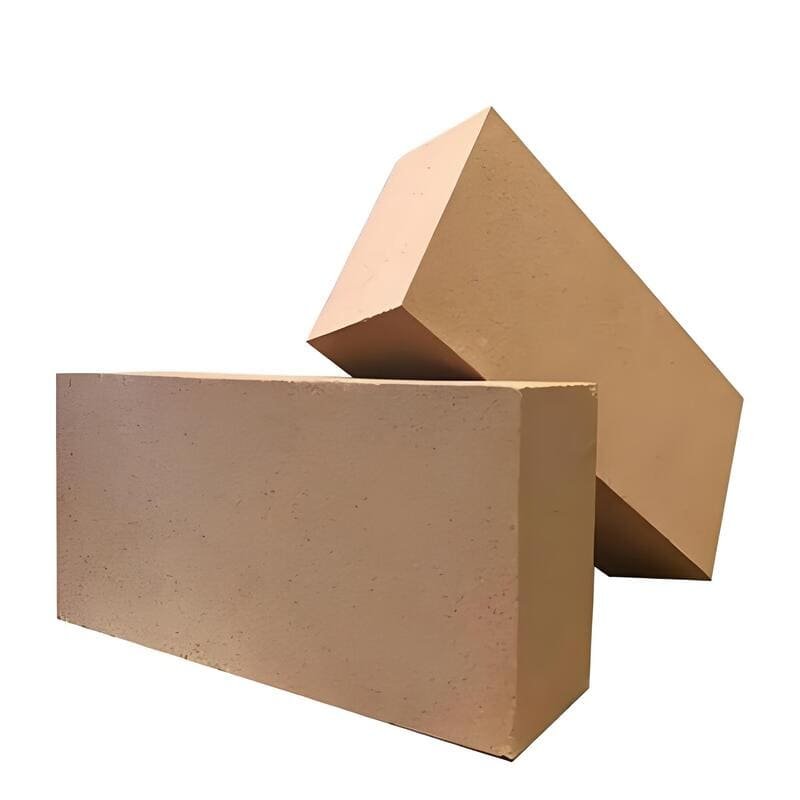
What is CCS in refractory?
CCS stands for Cold Crushing Strength—the maximum load a refractory can withstand under compression at room temperature, measured in megapascals (MPa)...
Read More
What is PLC in refractory?
PLC stands for Permanent Linear Change—the irreversible expansion or contraction of a refractory material after exposure to high temperature. It is...
Read More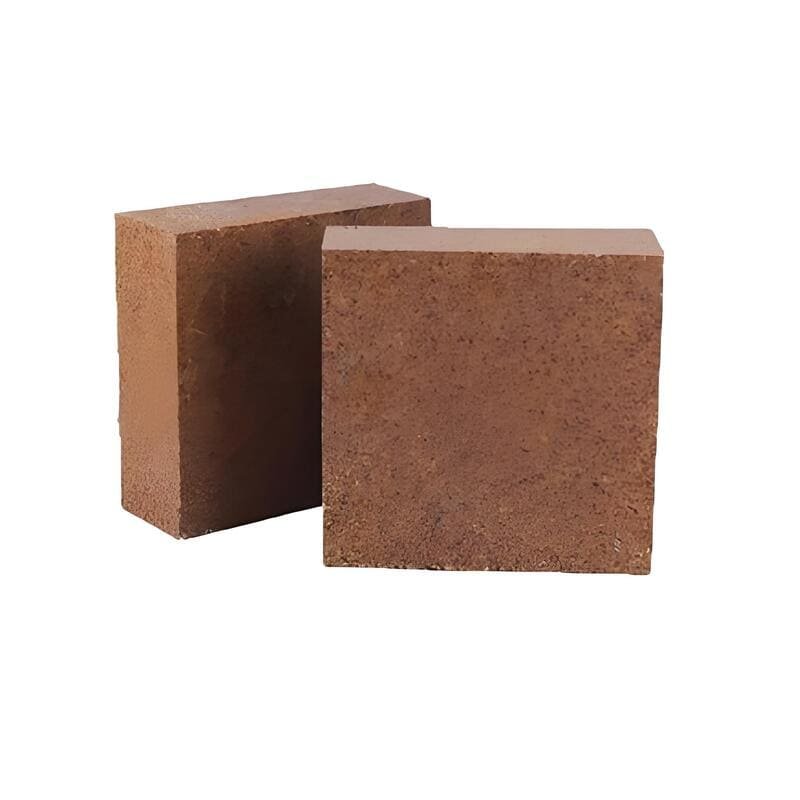
What are the basic refractory materials?
Basic refractory materials refer to refractory materials that readily undergo chemical reactions at high temperatures with acidic refractory materials, acidic...
Read More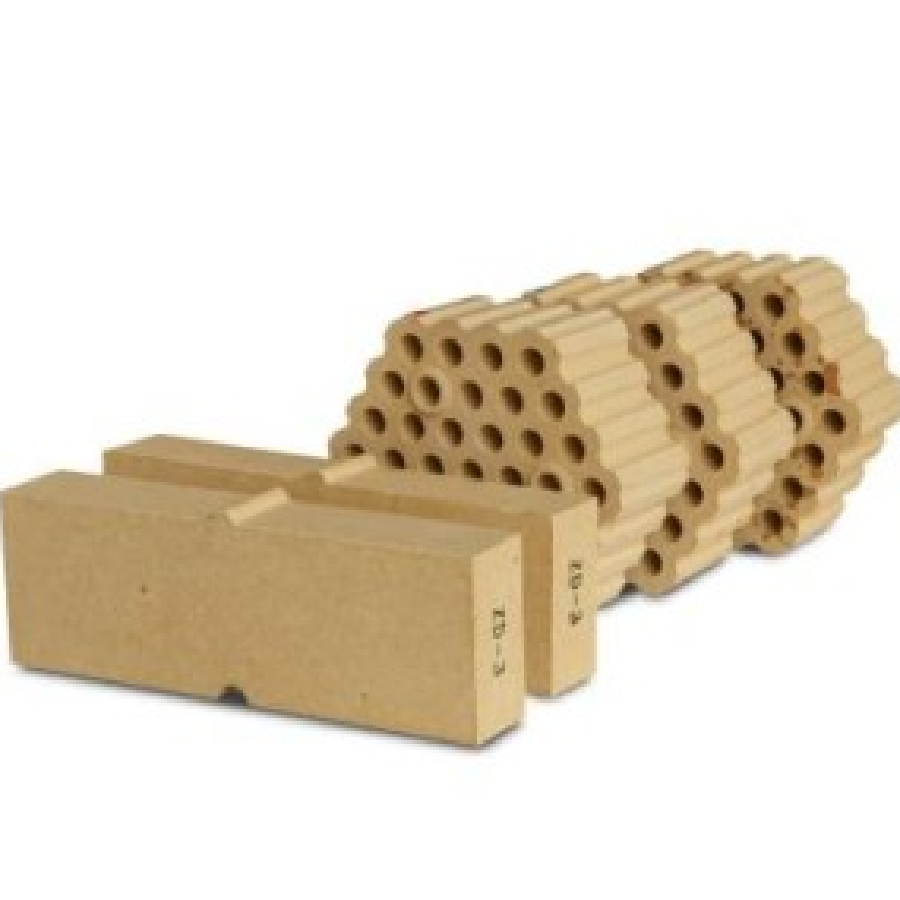
What is the lifespan of refractory material?
Typical refractory service life ranges from 6 months to over 10 years, depending on the material type and application. Clay bricks...
Read More
What are highly refractory materials?
Highly refractory materials are substances with exceptionally high melting points (typically above 2000°C) that maintain structural stability and mechanical properties under...
Read More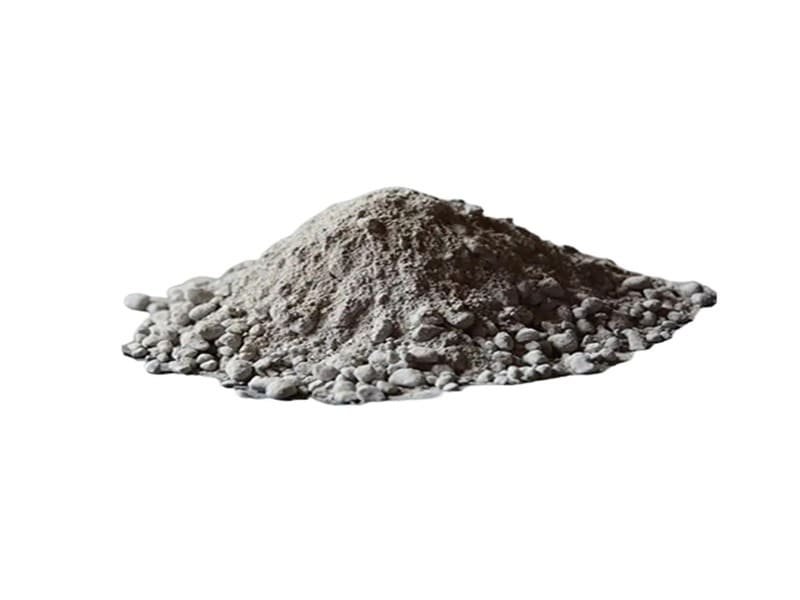
Can refractory get wet?
In most instances, refractory materials must not be exposed to moisture; such exposure can lead to a degradation of material...
Read More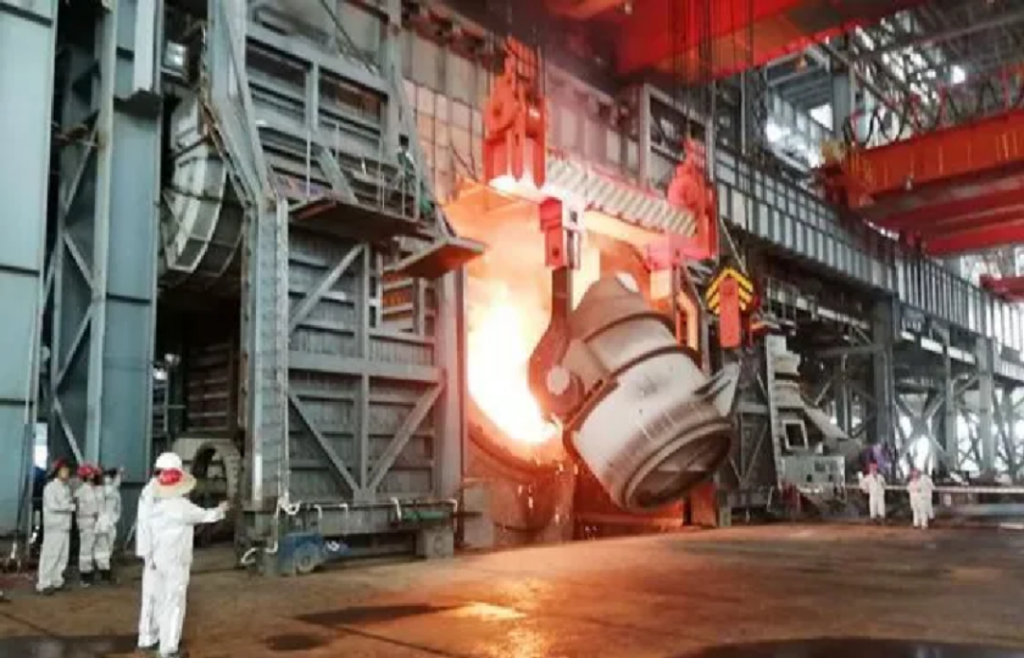
What are refractories used for?
Refractory materials are widely used in steelmaking, ironmaking, building materials, steel rolling, and other industrial systems. 01. Steelmaking System The...
Read More
What is the most common refractory material?
Clay refractory bricks are one of the most common types of refractory materials, with an Al2O3 content ranging from approximately...
Read More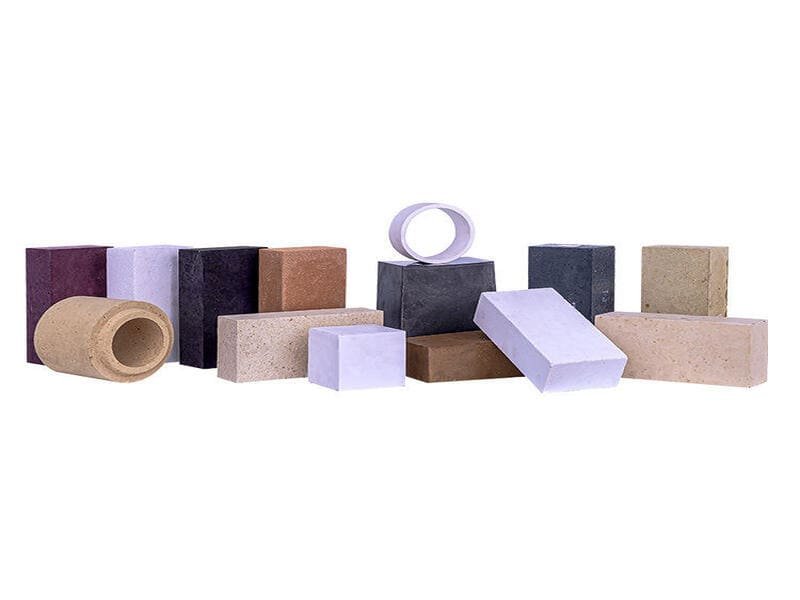
What are the three types of refractories?
Refractory materials encompass a wide variety of types and complex applications; consequently, their classification methods are also diverse. 1 Classification...
Read More