
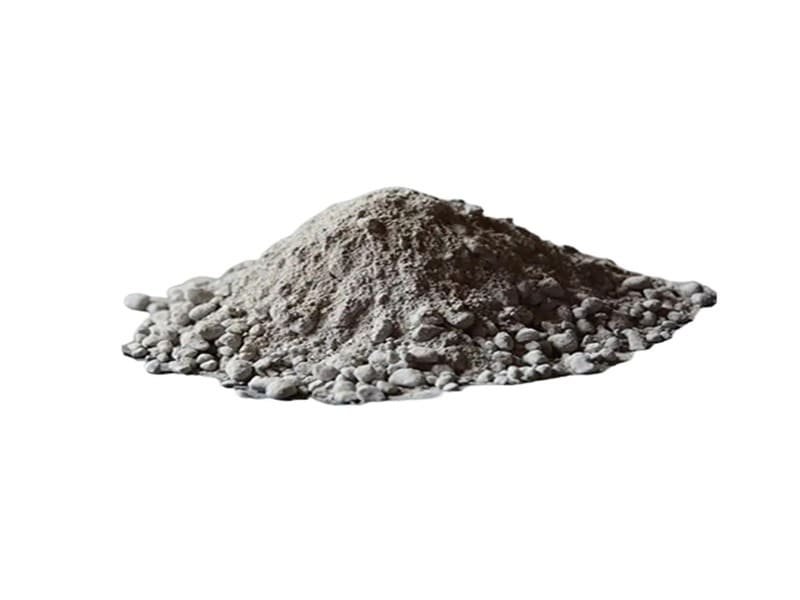
In most instances, refractory materials must not be exposed to moisture; such exposure can lead to a degradation of material properties or even complete failure.
Specific consequences depend on the type of material and its intended application:
1. Primary Hazards of Moisture Exposure
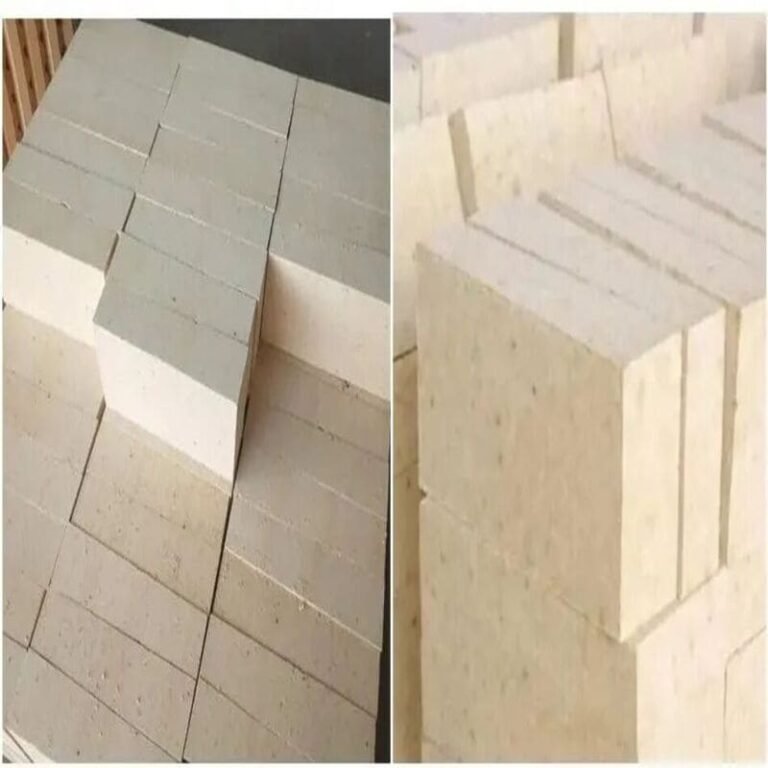
**Physical Structural Damage:** Alkaline refractory materials—such as magnesia-based and high-alumina refractories—are prone to hydration reactions when exposed to moisture. This leads to volume expansion, cracking, or pulverization; for example, moisture exposure causes magnesia bricks to form magnesium hydroxide, resulting in a precipitous decline in the brick’s structural strength.
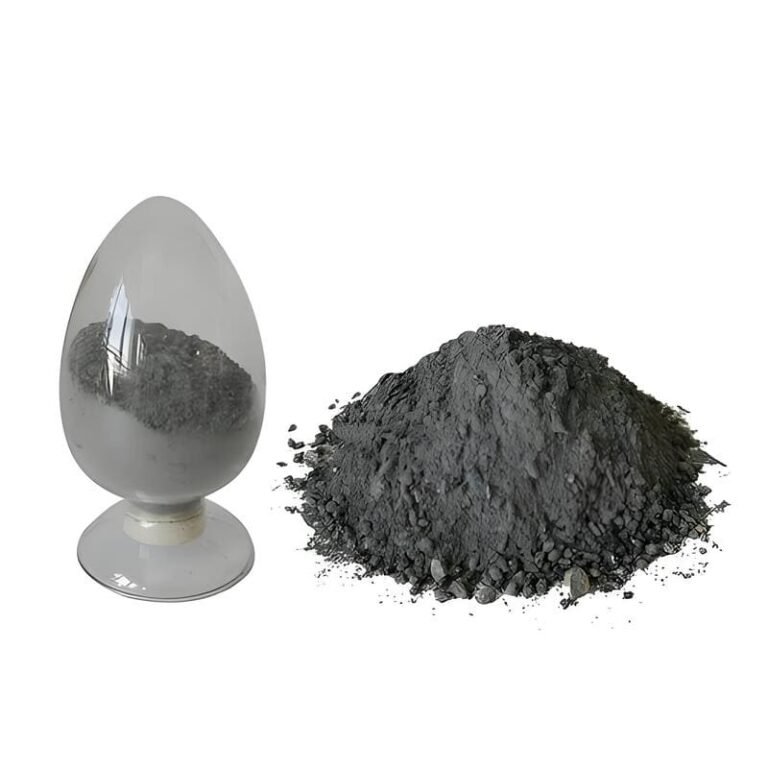
**Performance Degradation:** Unshaped refractory materials (such as castables and ramming mixes) may undergo premature setting and hardening upon exposure to moisture, rendering them unsuitable for proper installation. Furthermore, moisture evaporation within installed refractory linings can create voids and porosity, thereby compromising the material’s high-temperature strength and resistance to erosion.
**Construction Quality Risks:** When laying refractory bricks that have been exposed to moisture, the mortar joints are prone to cracking, which compromises the overall structural integrity and gas-tightness of the lining. Similarly, heat-accumulating refractory balls may clump together or agglomerate if exposed to moisture, resulting in a reduction in heat storage efficiency.
2. Moisture-Proof Storage and Construction Recommendations
**Storage Environment:** Refractory materials should be stored in a dry, well-ventilated, and covered warehouse. The materials must be elevated off the ground (e.g., by using pallets) to prevent direct contact with ground moisture.
**Packaging Protection:** Unopened materials should be kept in their original, intact packaging. Any remaining material after opening must be sealed using plastic film.
**Construction Controls:** Avoid carrying out construction work during rainy weather or in high-humidity environments. For monolithic (unshaped) refractories, the amount of water added during mixing must be strictly controlled; materials that have already been exposed to moisture are strictly prohibited from use.
**Handling of Special Materials:** Refractory materials that are sensitive to moisture—such as magnesia-based materials—require additional moisture-proofing measures during storage, such as the inclusion of desiccants or the use of moisture-proof packaging.
3. Handling of Moisture-Damaged Materials
**Slight Moisture Damage:** If certain high-alumina bricks or clay bricks have sustained only slight moisture damage, they may be dried out prior to use (at a temperature not exceeding 150°C); however, their performance may be somewhat compromised.
**Severe Moisture Damage:** Materials exhibiting signs of pulverization, cracking, or clumping must be immediately discarded and scrapped; they must not be used in critical structural areas.
**Summary:** Protecting refractory materials from moisture is a critical step in ensuring their performance and service life; particular attention must be paid to alkaline refractories and monolithic materials. By strictly controlling humidity levels during both storage and construction, quality issues caused by moisture exposure can be effectively prevented.