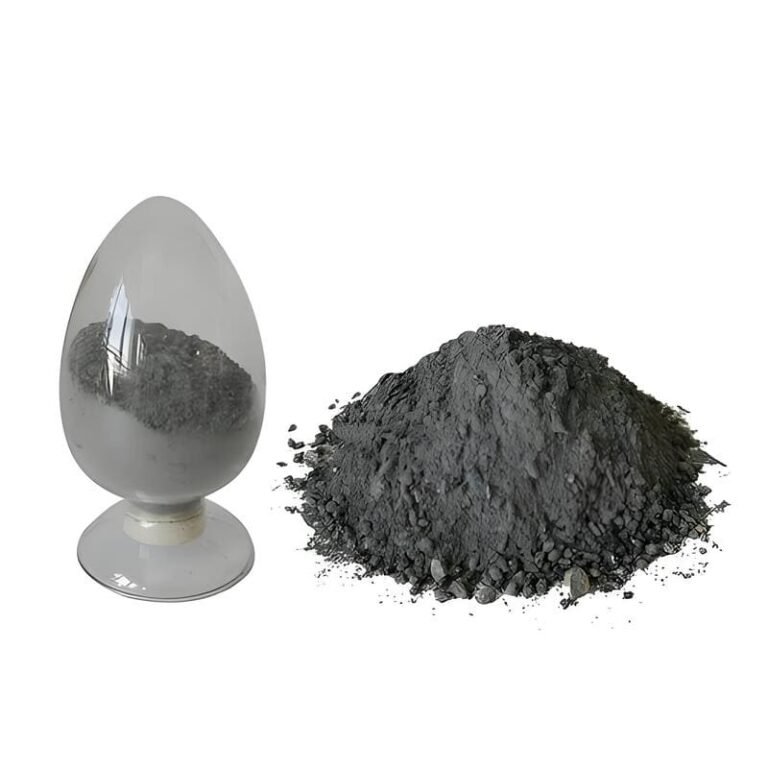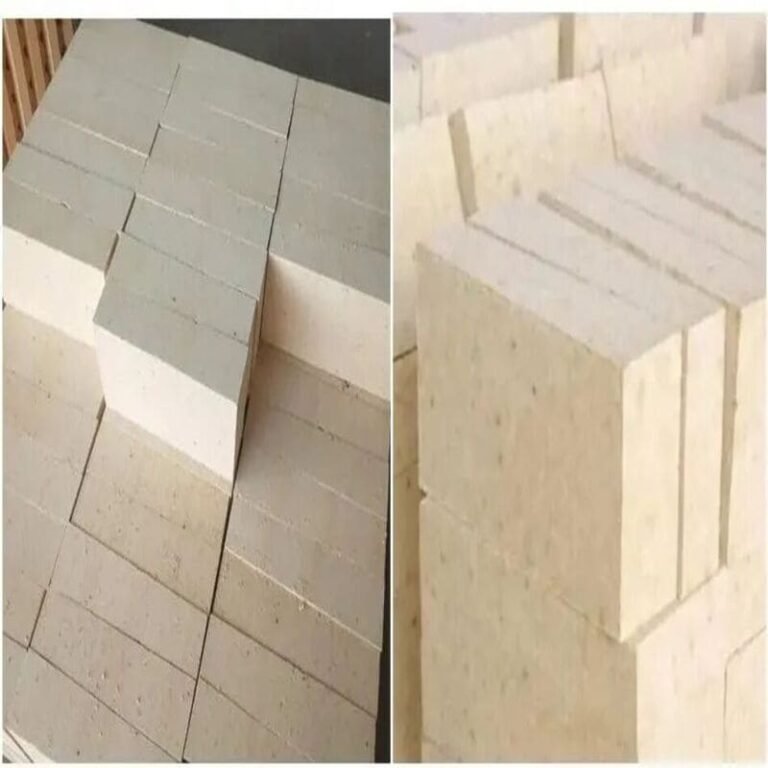

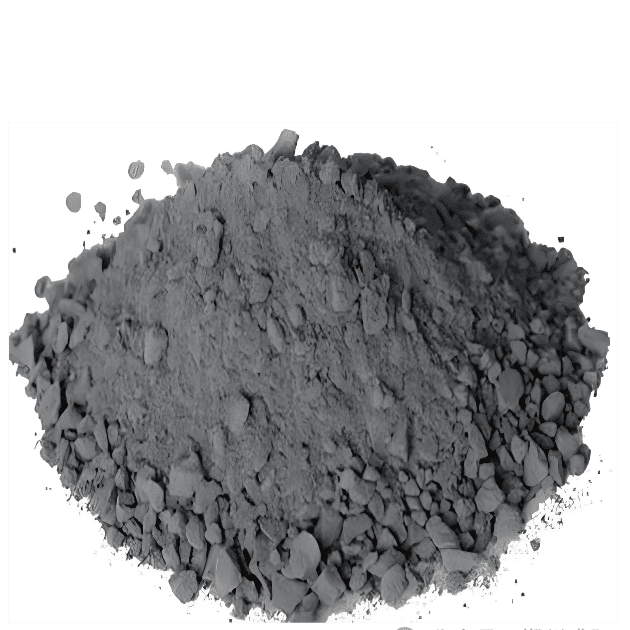
With its comprehensive advantages of high temperature resistance, corrosion resistance, wear resistance, thermal shock resistance, and ease of construction, silicon carbide aluminate castable has become one of the irreplaceable high-grade refractory castables in high-temperature industrial fields. Its application can not only significantly extend equipment lifespan and reduce maintenance and material replacement costs, but also optimize production processes, ensure continuous operation efficiency, and drive the upgrading of high-temperature industries towards high efficiency, energy conservation, and environmental protection.
Alumina silicon carbide castable is an unshaped refractory castable made by mixing high-alumina bauxite and silicon carbide with binders and additives. It combines the high-temperature stability of alumina with the wear resistance, corrosion resistance and thermal shock resistance of silicon carbide.
Aluminum silicon carbide castables possess superior corrosion resistance and slag resistance, exhibiting extremely strong resistance to chemical corrosion from molten iron, steel slag, and non-ferrous metal molten slag. They are also non-stick and easy to clean. Furthermore, aluminum silicon carbide castables have a low coefficient of thermal expansion and good thermal conductivity, enabling them to withstand severe thermal shocks from frequent heating and cooling, making them suitable for use as linings in intermittent high-temperature equipment.
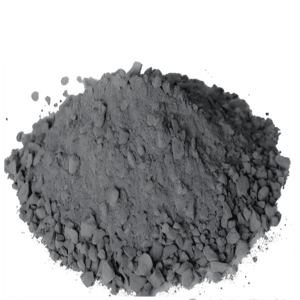
Aluminum silicon carbide casting material is convenient for on-site construction, has good workability and strong adhesion, and can be cast as a whole or used for partial repairs. It can be quickly baked without cracking and is used in blast furnace tapping channels, ladles, torpedo ladles, steel ladle linings, as well as in blast furnace runners and tundish working layers, where it can withstand the scouring and slag corrosion of high-temperature molten iron/steel. In the building materials and glass industries, it is used in cement kiln preheaters, decomposition furnaces, and cooler wear-resistant linings, as well as in glass kiln regenerators and flow channels, where its anti-scaling and melt erosion resistance ensures efficient and stable continuous operation of the kiln. In the dense phase zone of circulating fluidized bed boiler furnaces, return feeders, slag coolers, and high-temperature cyclone separator linings, it resists the high-speed abrasion of high-temperature flue gas and solid particles, improving boiler thermal efficiency and lifespan.