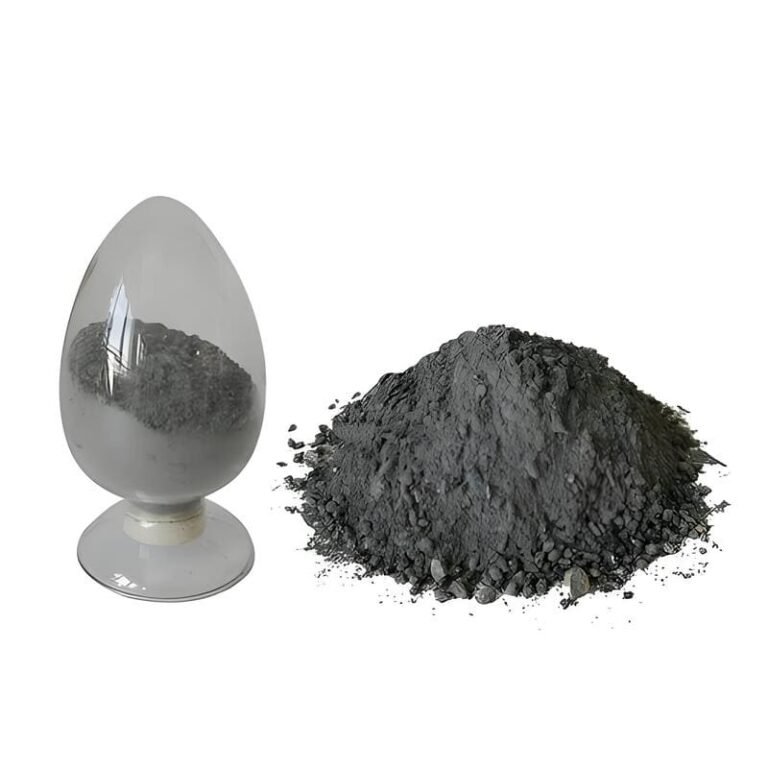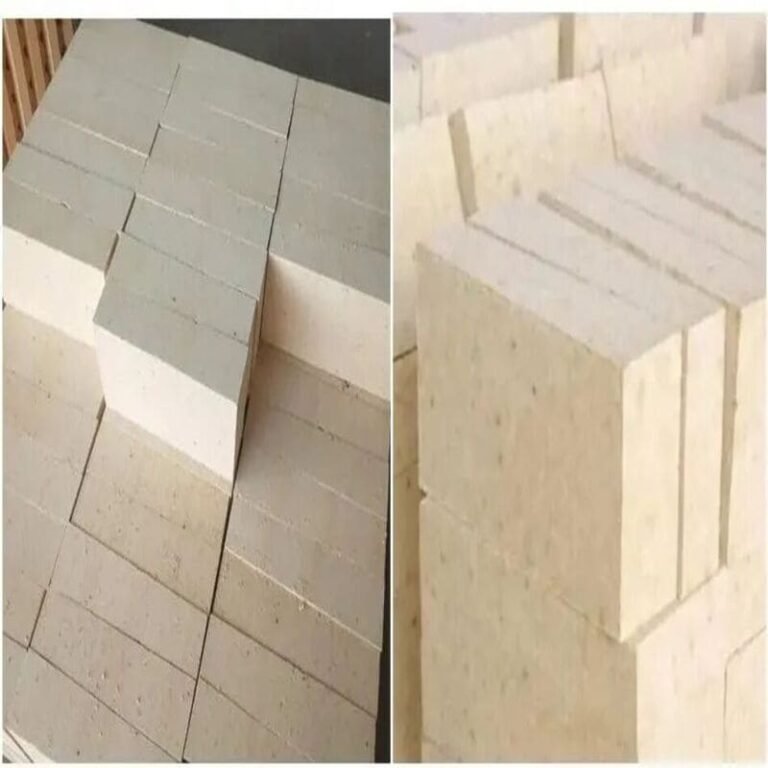

In the construction of refractory castables, mixing is a crucial step and should be carried out properly according to the following steps:
1. Site and equipment cleanup. Generally, mixing of castables takes place on the kiln head platform. To ensure the quality of the castable, the mixing site and equipment must first be cleaned, ensuring the area is clean and dust-free. A dedicated mixer must be used for powerful mixing of the refractory castable, and the mixer must be thoroughly cleaned.
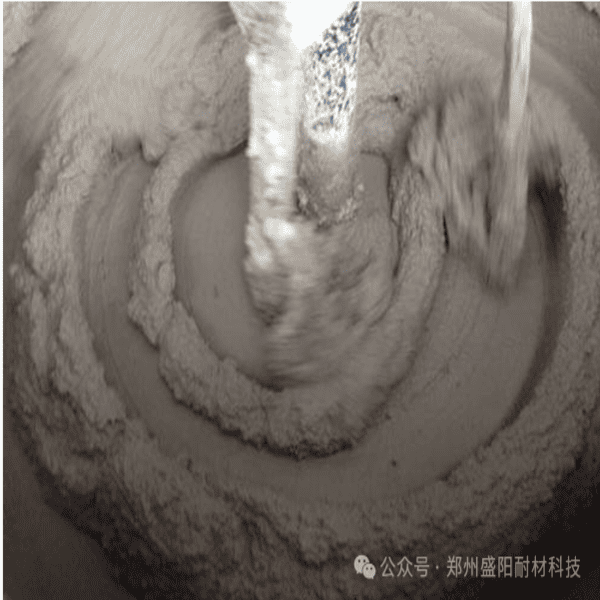
2. Refractory castable mixing steps. First, pour the refractory castable into the mixer and dry mix for at least 5 minutes. After thorough mixing, add an appropriate amount of water. The water must be drinking water with a pH of 7.0-7.5, and the temperature should ideally be around 20-30 degrees Celsius. If construction is in winter, the water should be heated to around 30-60 degrees Celsius. The ambient temperature at the construction site should not be lower than 5 degrees Celsius. The total amount of water added must strictly follow the manufacturer’s specifications. Adding too much water during mixing will increase the porosity of the refractory castable protective layer, reduce its density, and significantly impact the quality. The mixed refractory castable should be used within half an hour. When mixing the castable, the following precautions should be taken: two types of castable should not be mixed. Properly mixed refractory castable should not contain any dry material or clumps. Once solidified, the lumps should not be mixed with water again. During summer construction, refractory castable must not be exposed to direct sunlight; it should be placed in a cool, dry place.
3. Pouring and Vibration of Refractory Castable Currently, there are two methods for pouring refractory castable: one is the horizontal pouring method, where the burner pipe is placed horizontally on the kiln head platform for pouring. This method is convenient and risk-free, but it is difficult to guarantee the uniformity and shape of the protective layer. The other method is the vertical pouring method, where the burner pipe is lifted by a manual hoist or crane and hung on the side of the kiln head platform with the front end of the burner pipe facing downwards, and poured section by section upwards. After pouring the properly mixed refractory castable into the mold, it must be spread evenly and vibrated. Use a vibratory rod to compact the mixture in layers. When vibrating, insert the vibratory rod quickly and withdraw it slowly to avoid creating voids. The spacing between the vibratory rods is determined according to the density of the grout, generally about 150~200mm. Do not vibrate directly onto the grout; instead, insert the rods into the gaps. Pour and vibrate simultaneously until the surface grout returns. Generally, one vibration cycle takes about 20~40 seconds.