
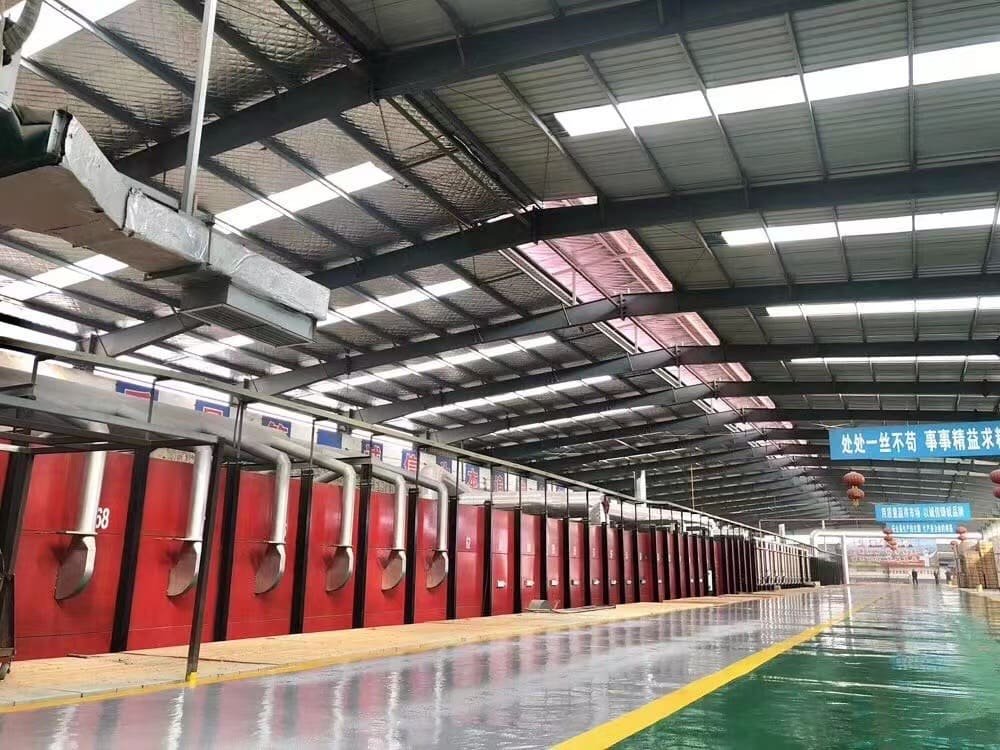
Refractory manufacturing involves three core stages: raw material selection, forming, and firing. The specific process depends on the product type—shaped bricks require pressing and kiln firing, while monolithic refractories (castables, plastics) are mixed and installed on-site without firing. Understanding these methods helps you select the right refractory and appreciate why quality control matters.
Step 1: Raw Material Selection
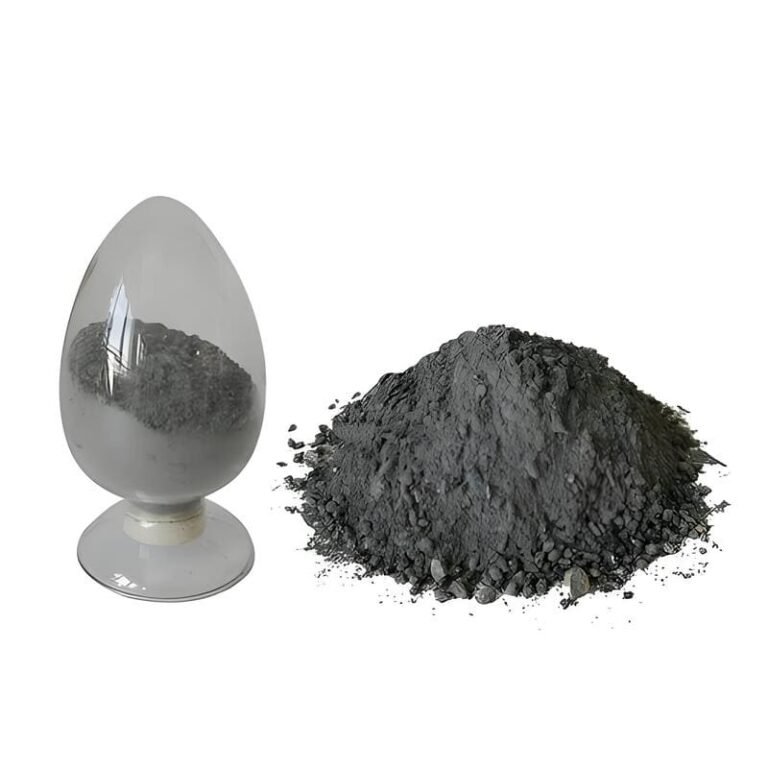
All refractories start with mineral raw materials that provide heat resistance. Common base materials include:
-
Clay (kaolin, fireclay): For clay bricks and low- to mid-alumina products
-
Bauxite: For high-alumina refractories
-
Magnesite: For magnesia-based bricks
-
Graphite: Added to carbon-containing bricks (e.g., MgO-C)
-
Zircon, alumina, silicon carbide: For specialty products
Raw materials are crushed, ground, and sized to achieve the desired particle size distribution, which affects density, strength, and porosity.
Step 2: Shaped Refractories (Bricks)
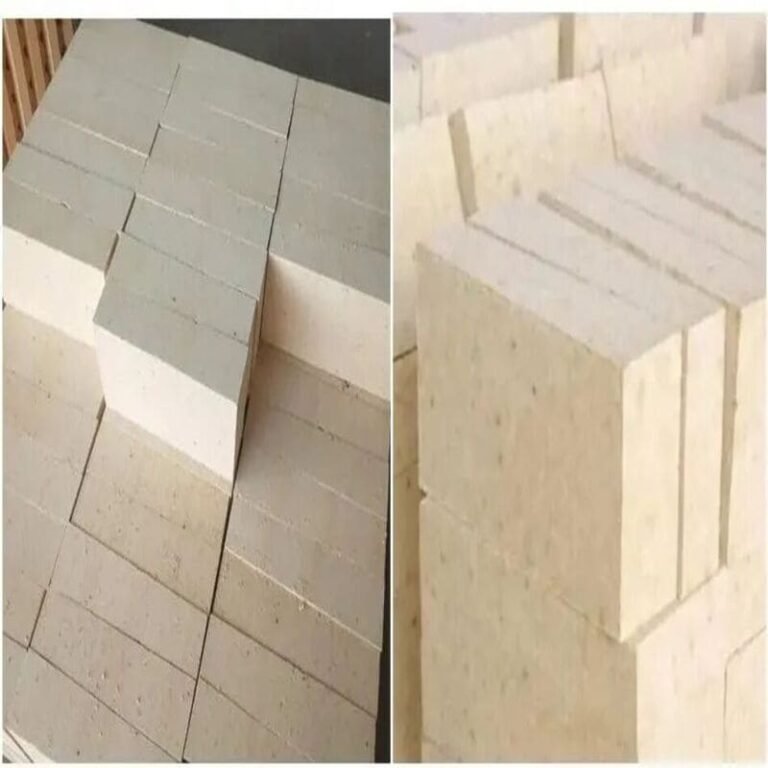
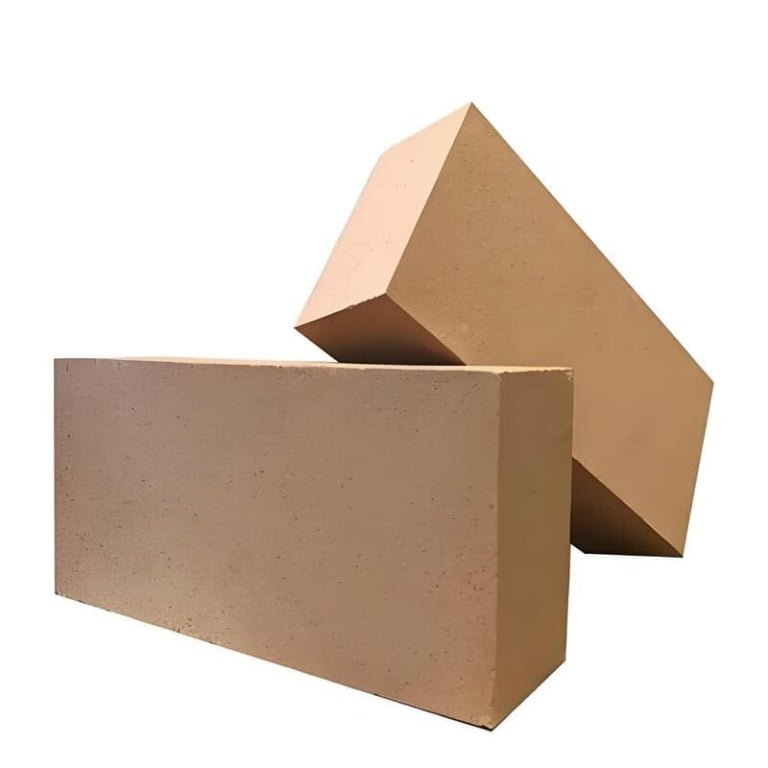
Shaped refractories are produced in a manufacturing plant and delivered as pre-formed bricks.
Mixing
Ground raw materials are blended with binders (clay, chemical agents, or organic additives) and water to form a homogeneous mix.
Forming
The mix is pressed into shape using one of three methods:
-
Dry pressing: High-pressure hydraulic or friction presses (for dense bricks)
-
Extrusion: For plastic clay mixes (used for special shapes)
-
Hand molding: For large or custom shapes (limited production)
Pressing pressure directly influences CCS and porosity—higher pressure yields denser, stronger bricks.
Drying
Green bricks are dried to remove free water, typically in controlled dryers at 100–200°C, to prevent cracking during firing.
Firing
Dried bricks are fired in tunnel kilns at temperatures ranging from 1000°C to 1800°C, depending on the material. Firing causes:
-
Sintering: particles bond together
-
Phase transformations: e.g., mullite formation in clay
-
Permanent dimensional change (PLC)
After cooling, bricks are inspected, sorted, and packaged.
Step 3: Unshaped Refractories (Monolithics)
Monolithic refractories are delivered as dry mixes, plastics, or wet castables and are installed on-site. They require no pre-firing.
Castables
-
Dry mix (aggregates, fines, binders, sometimes steel fibers) is blended at the plant.
-
At the installation site, water or liquid binder is added.
-
The mixture is poured into forms or pumped into place, then cured and dried before service.
Plastics
-
Mixed with plasticizing clays and delivered in a workable state.
-
Ramming or gunning is used for installation.
Gunning mixes
-
Designed for pneumatic application onto surfaces; often used for repairs.
Because monolithics are not pre-fired, proper installation—especially curing and drying—is critical to avoid steam spalling.
Step 4: Quality Control
Throughout manufacturing, samples are tested to ensure they meet specifications. Key tests include:
-
CCS (Cold Crushing Strength) – mechanical integrity
-
PLC (Permanent Linear Change) – dimensional stability
-
Apparent Porosity and Bulk Density – relates to corrosion resistance
-
Thermal Shock Resistance – often assessed via MOR after quenching
-
Chemical Analysis – ensures correct composition
Reputable manufacturers provide certificates of analysis with each shipment.