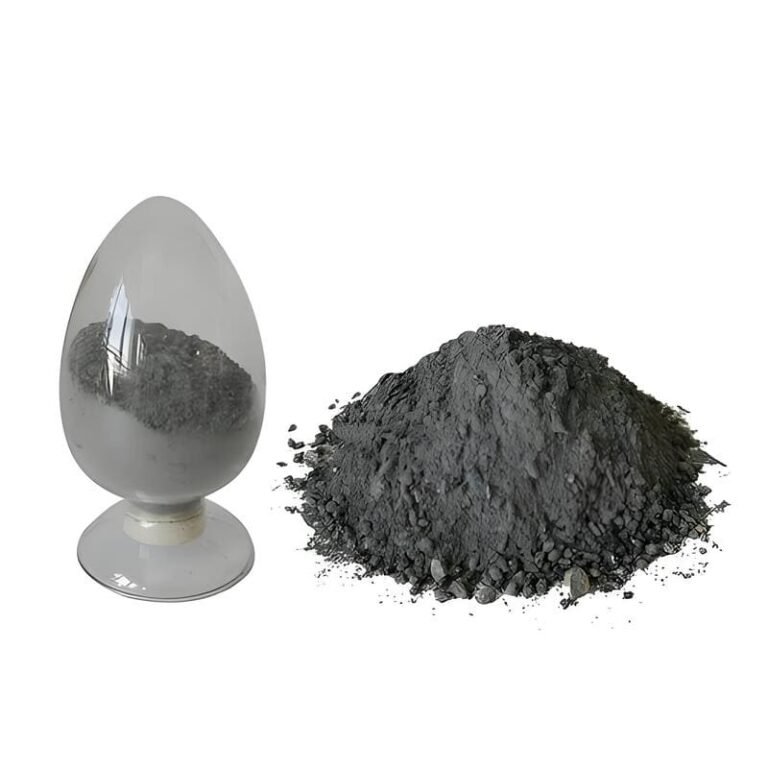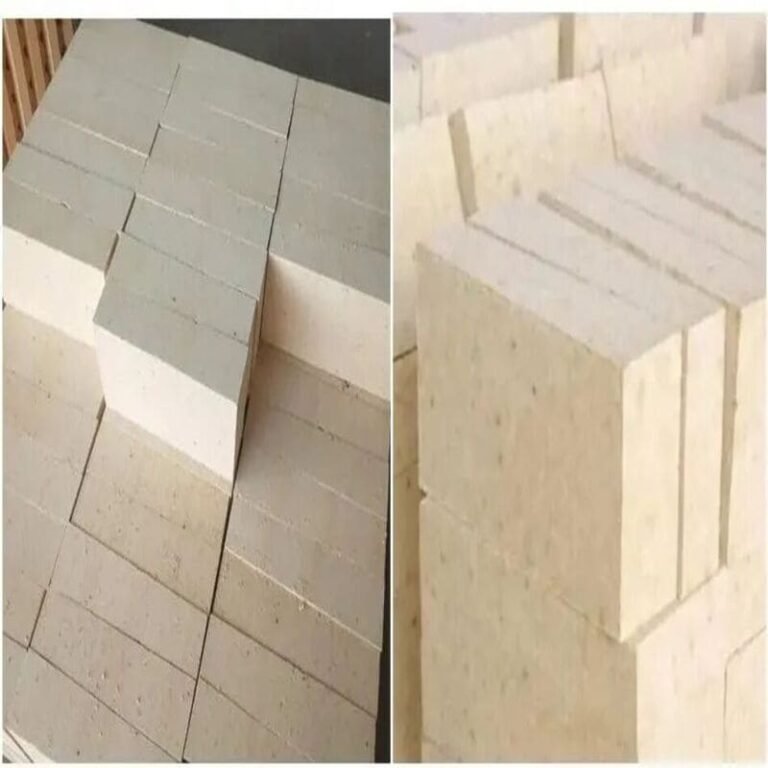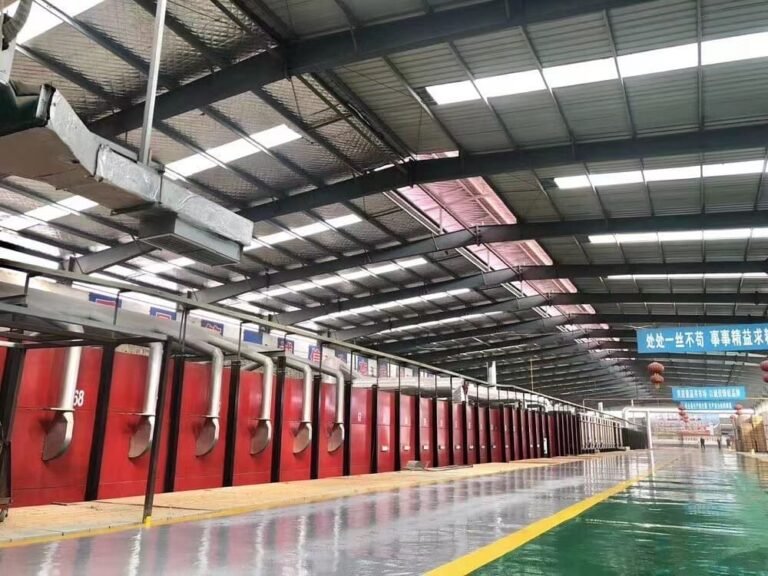

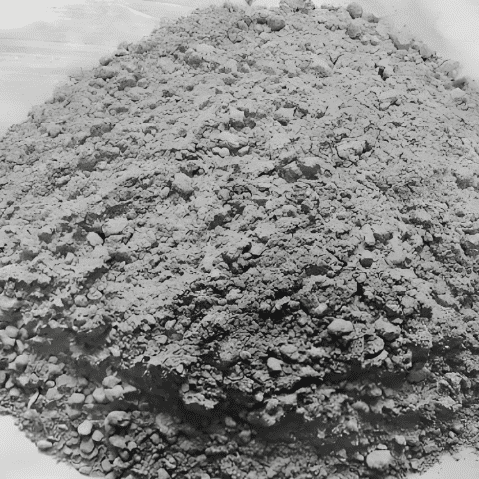
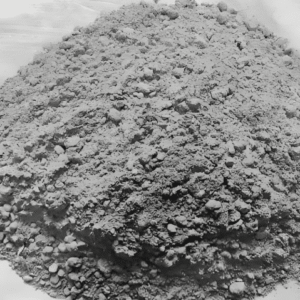
Acid-resistant castable is an amorphous material used for acidic linings to resist corrosion in acidic environments. It is made by mixing acid-resistant aggregates, powders, binders and additives in a reasonable ratio. When used, water or phosphoric acid or water glass binder is added, stirred and vibrated, and then cast into shape. After curing and baking, it forms a structure.
Acid-resistant castables cannot be used in alkaline furnace linings. They are used in acidic gas corrosion areas at temperatures of 600-1200℃. Compared to high-alumina castables, they are not as resistant to high temperatures, but their resistance to acid corrosion is better. These castables use different aggregates and binders to adjust their acid resistance.
Acid-resistant castables typically use quartz sand, cast stone, andesite, and wax stone as aggregates. Their main component is high in silica, which provides stable performance in acidic environments. However, these castables are not resistant to corrosion from alkalis, hot phosphoric acid, hydrofluoric acid, and high-fat substances. High-grade acid-resistant castables may also be resin-bonded, but these produce fumes during baking and high-temperature use, and are also more expensive.
Acid-resistant castables are widely used in reaction towers, pickling tanks, and chimneys in the chemical industry; desulfurization towers and final cooling towers in the metallurgical industry; flue ducts and chimney linings in the power industry; acid gas corrosion areas in waste incinerators in the environmental protection industry; and acid gas and material handling equipment in the non-ferrous metals industry.
Regardless of the industry in which it is used, construction and curing are crucial. From cleaning the construction site to ensuring uniform mixing of the acid-resistant castable, to compacting it to minimize porosity, and even curing in dry air, careful operation is essential. Curing is a critical step; it must be done slowly to remove physical and crystalline water, allowing the acid-resistant castable to fully perform its intended function.