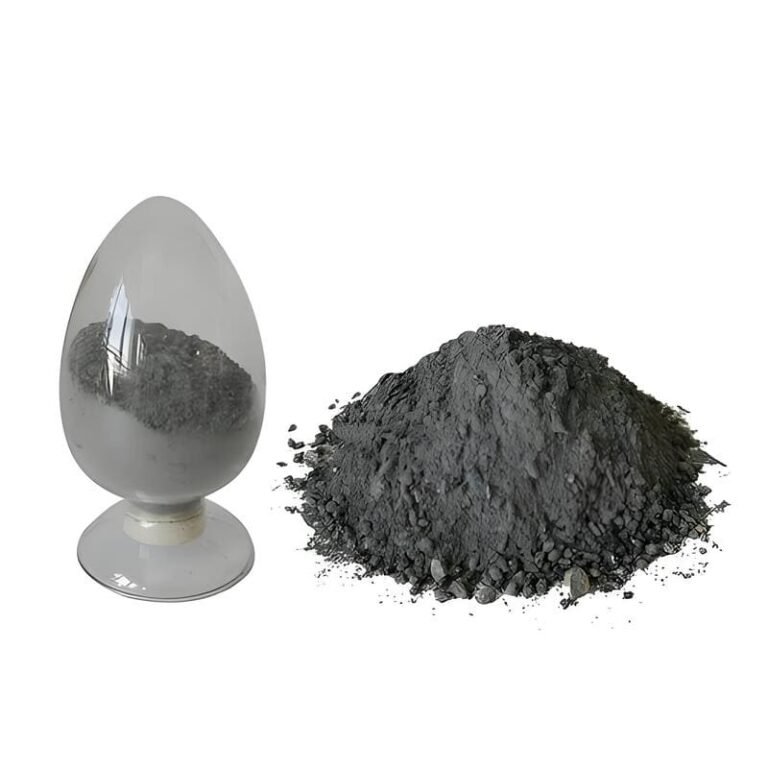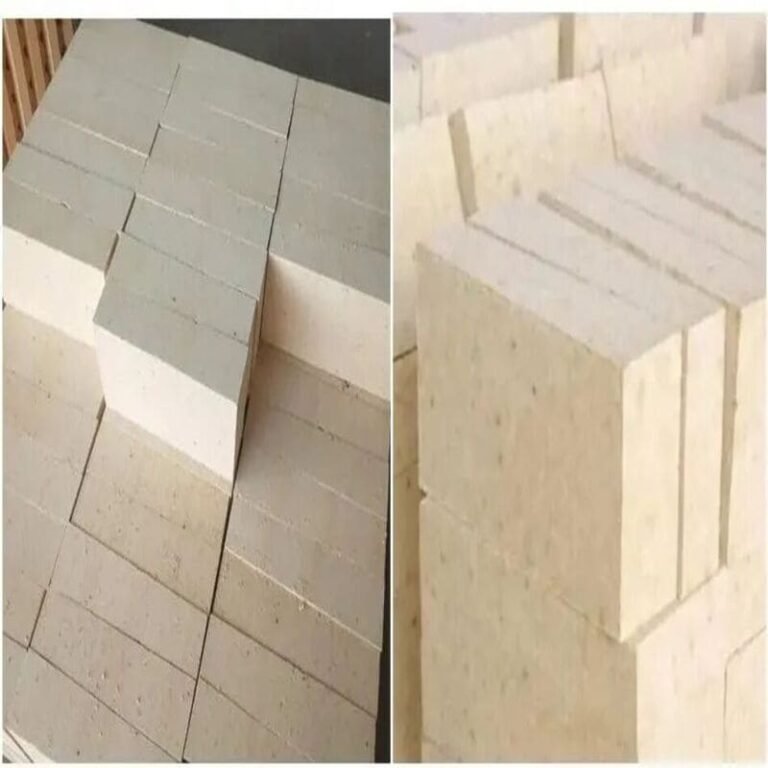

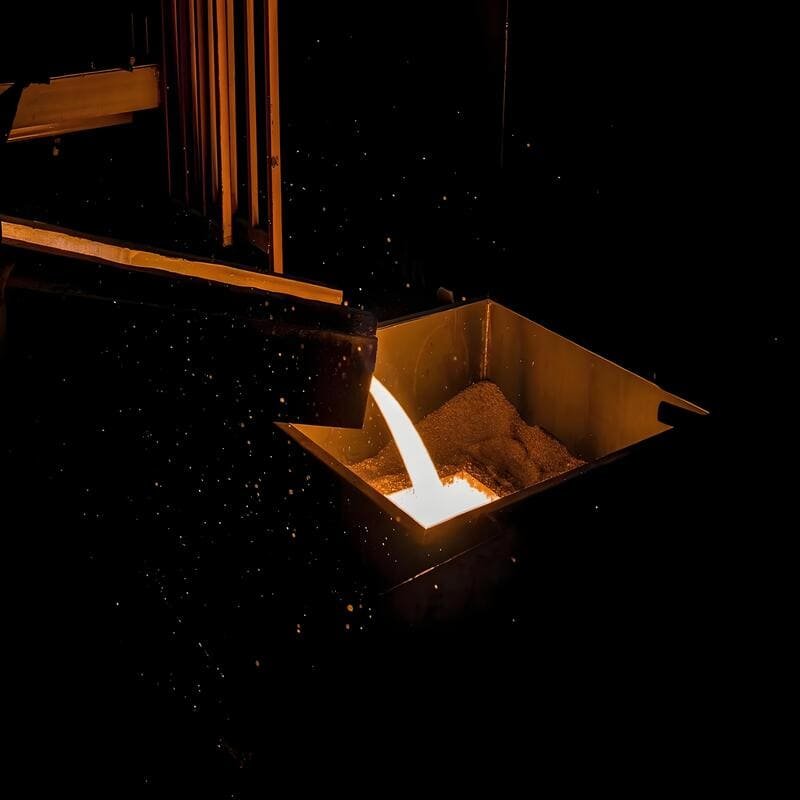
In the float glass production process, the furnace tank wall, as a critical component directly in contact with the molten glass and the furnace structure, makes the selection of its refractory materials crucial. The appropriate selection of tank wall refractory materials not only affects the service life of the furnace but also has a profound impact on the quality of the glass products. This article will briefly and thoroughly discuss the selection requirements for refractory materials for float glass furnace tank walls and analyze in detail their influence on glass quality.
I. Selection Requirements for Refractory Materials for Float Glass Furnace Walls
(I) Chemical Stability
1. Resistance to Glass Molten Erosion: Glass molten material exhibits strong chemical reactivity at high temperatures and can react chemically with the refractory materials used in the furnace walls. Therefore, the refractory materials must possess excellent resistance to glass molten erosion to prevent structural damage and subsequent impact on glass quality. For example, fused zirconia-corundum bricks with high zirconium content can effectively reduce the erosion rate of the refractory materials by forming a dense zirconium-rich protective layer upon contact with glass molten material due to the ZrO₂ content.
2. Alkali Resistance: During glass production, molten glass often contains a certain amount of alkaline oxides, such as Na₂O and K₂O. These alkaline substances can react with the components in refractory materials, weakening their structure. Therefore, refractory materials should be able to resist the erosion of alkaline substances. For example, alumina alkaline refractories have a stable crystal structure and can effectively resist the penetration and reaction of alkaline substances.
(II) Physical Properties 1. High-Temperature Strength: The furnace wall is in a high-temperature environment, and the molten glass exerts a certain scouring force on the wall during its flow. Therefore, the refractory material must possess sufficient high-temperature strength to withstand the static pressure and high-temperature scouring of the molten glass. For example, sintered magnesia-chrome bricks have high strength and wear resistance at high temperatures, making them well-suited to this condition. 2. Thermal Conductivity: Appropriate thermal conductivity is crucial for maintaining a uniform temperature distribution within the furnace. Excessive thermal conductivity leads to rapid heat dissipation from the furnace wall, increasing energy consumption; insufficient thermal conductivity hinders temperature transfer and homogenization of the molten glass. Generally, selecting refractory materials with moderate thermal conductivity, such as cordierite and mullite, ensures both adequate insulation and good heat transfer within the molten glass. 3. Coefficient of Thermal Expansion: The furnace wall refractory material undergoes thermal expansion and contraction during furnace heating and cooling processes. If the coefficient of thermal expansion is too high, or if it is incompatible with the materials used in other parts of the kiln, stress concentration can easily occur, leading to cracking and spalling of the refractory material. Therefore, refractory materials with a low coefficient of thermal expansion and similar to those of the surrounding materials should be selected to ensure the stability of the kiln structure. For example, fused AZS bricks have a coefficient of thermal expansion that is close to that of some commonly used kiln masonry materials, which can effectively reduce thermal stress problems.
(III) Structural Performance 1. Porosity: The porosity of refractory materials directly affects their erosion resistance and strength. Excessive porosity allows molten glass to easily penetrate the refractory material, accelerating the erosion process; excessively low porosity increases the material’s brittleness. Therefore, it is crucial to select refractory materials with appropriate porosity. Generally, densified refractory materials have lower porosity, effectively improving their erosion resistance. 2. Microstructure: The microstructure of refractory materials has a significant impact on their performance. For example, a uniform, fine crystal structure can improve the strength and erosion resistance of refractory materials. Electrofused cast refractory materials, through a special casting process, form a relatively uniform and dense microstructure, thus possessing excellent performance characteristics.
II. The Influence of Refractory Materials on Float Glass Furnace Walls on Glass Quality 1. Stone Formation: If the refractory materials in the furnace walls are eroded, the detached refractory particles will enter the molten glass, forming stone defects after glass forming. For example, if fused zirconia-corundum bricks are severely eroded, the zirconia-corundum particles will enter the molten glass and, after cooling, exist in the glass as white or grayish-white stones, severely affecting the appearance and transparency of the glass. 2. Streaks: Chemical reactions between the refractory materials and the molten glass may cause localized unevenness in the glass composition, forming streaks during glass forming. For example, when certain components in the furnace wall refractory materials react with alkaline oxides in the molten glass, altering the local chemical composition of the molten glass, visible streaks will form during the drawing process, reducing the flatness and uniformity of the glass. 3. Bubbles: Pores in the refractory materials may release gases at high temperatures, entering the molten glass and forming bubbles. Especially in the early stages of furnace heating, if the gases adsorbed in the pores of the refractory materials are not fully discharged, bubbles are easily generated in the molten glass. Furthermore, the chemical reaction between refractory materials and molten glass can also generate gases. For example, the carbon component in some refractory materials reacts with oxides in the molten glass at high temperatures to produce CO gas, which then forms bubbles, affecting the intrinsic quality and optical properties of the glass. 4. Fluctuations in chemical composition: Erosion of the refractory materials in the pool walls can cause changes in the chemical composition of the molten glass. For instance, when certain elements in the refractory materials (such as Fe and Cr) enter the molten glass, they will alter the chemical composition of the glass, affecting its optical properties, thermal stability, and other intrinsic quality indicators. This effect is particularly pronounced for some special glasses with strict requirements on chemical composition.
III. Commonly Used Refractory Materials
1. Electrofused AZS Bricks:
(1) 33# AZS Brick: Mainly composed of alumina (Al₂O₃), zirconium oxide (ZrO₂) and silicon dioxide (SiO₂), of which zirconium oxide content is about 33%. Alumina gives it high refractoriness and mechanical strength, while zirconium oxide can improve its thermal shock resistance and erosion resistance. Silicon dioxide, as a matrix component, helps to form a dense structure. It has a relatively high bulk density, generally 3.6-3.8 g/cm³. The higher density means a denser structure, which can effectively block the penetration of molten glass and various corrosive gases. The porosity is low, generally 16%-18%. The low porosity reduces the channels for corrosive media to enter the brick body, improving its erosion resistance. The coefficient of thermal expansion is moderate. In high-temperature environments, it can ensure that the brick body will not crack due to excessive thermal expansion, and can also maintain a certain structural stability. Due to the phase transformation toughening effect of zirconia, it possesses good thermal shock resistance, capable of withstanding a certain degree of rapid temperature changes without cracking. Its room temperature compressive strength is high, typically reaching 180-220 MPa. This allows it to withstand significant pressure during furnace construction and use without deformation or damage. It maintains a certain flexural strength at high temperatures, generally reaching 15-20 MPa at 1500℃, resisting shear forces generated by molten glass flow at high temperatures. It has high refractoriness, typically reaching 1750-1790℃, enabling long-term stable use in the high-temperature environment of float glass furnaces. The load softening initiation temperature is usually 1620-1650℃; at this temperature, the brick begins to soften and deform to some extent, but can still withstand a certain load. Based on these advantages, fused 33#AZS is a common material used as a refractory material for molten pool walls. (2) 36#AZS brick: Also composed of alumina, zirconium oxide, and silica as the main components, but with a zirconium oxide content of approximately 36%. The higher zirconium oxide content results in further improvements in some properties compared to 33#AZS brick. Its bulk density is typically slightly higher than 33#AZS brick, around 3.7-3.9 g/cm³. This higher density further enhances its resistance to external erosion. Its porosity is lower, typically 14%-16%. This lower porosity makes the brick structure more compact and provides stronger resistance to erosion. Its coefficient of thermal expansion is similar to 33#AZS brick, but due to the higher zirconium oxide content, it exhibits better dimensional stability at high temperatures and better adapts to temperature fluctuations. With the increase in zirconium oxide content, its thermal shock resistance is further improved, enabling it to adapt to more frequent and drastic temperature changes. Its room temperature compressive strength is higher, typically around 200-240 MPa. This higher compressive strength ensures its structural stability under complex kiln conditions. Its high-temperature flexural strength is higher than that of 33#AZS brick, reaching 20-25 MPa at 1500℃, allowing it to better maintain its structural integrity in high-temperature environments. Its refractoriness is slightly higher than that of 33#AZS brick, reaching 1780-1820℃, meeting the requirements of higher-temperature glass melting processes. Its re-softening onset temperature is higher, generally between 1650-1680℃, with significant softening deformation only occurring at higher temperatures, providing more stable structural support for the furnace.
2. Fused Alumina Bricks:
(1) Chemical Composition: The main component of fused alumina bricks is alumina (Al₂O₃), which is usually high, reaching over 95%. The remaining components may contain small amounts of impurities such as titanium dioxide (TiO₂), zirconium oxide (ZrO₂), calcium oxide (CaO), and silicon dioxide (Si₂O₃). The high alumina content gives it excellent refractory properties because alumina itself has a high melting point, generally around 2050℃, which allows fused alumina bricks to remain stable in the high-temperature environment of float glass manufacturing. Although the impurities are few, they will affect the performance of the bricks to a certain extent. For example, TiO₂ can improve the bricks’ resistance to erosion.
(2) Physical Properties:
Density: Fused alumina bricks have a high bulk density, generally between 3.6 and 3.9 g/cm³. The higher density means that its internal structure is more compact and the porosity is lower. This compact structure makes it difficult for ions in the molten glass to penetrate into the brick body, thereby improving the brick’s resistance to erosion and extending its service life. Hardness: Its Mohs hardness is high, around 9, second only to diamond. This high hardness allows fused alumina bricks to withstand the scouring of molten glass and mechanical wear during float glass production, preventing damage and maintaining their shape and structural integrity.
* Coefficient of Thermal Expansion: Fused alumina bricks have a relatively low coefficient of thermal expansion, around 10⁻⁶/℃. This smaller coefficient means less volume change during rapid temperature variations, reducing the likelihood of cracking or peeling due to thermal stress and enhancing thermal stability at high temperatures.
* Thermal Conductivity: It possesses excellent thermal conductivity, effectively transferring heat from the molten glass, resulting in a more uniform temperature distribution within the furnace, which is beneficial for uniform melting and forming of the glass.
(3) High-temperature performance: o Refractoriness: Extremely high refractoriness, generally reaching above 1790℃, which can meet the high-temperature requirements of about 1500-1600℃ in the float glass manufacturing process, ensuring that the fused alumina bricks will not soften or deform due to high temperature throughout the entire production cycle, maintaining the structural stability of the kiln. o Thermal shock resistance: Although its coefficient of thermal expansion is small, the temperature of the kiln is not absolutely constant in actual production, and there will still be some temperature fluctuations. The fused alumina bricks have a certain degree of thermal shock resistance and can withstand a certain degree of rapid temperature change without cracking, because its internal crystal structure and microstructure can buffer thermal stress to a certain extent. o Erosion resistance: In the high-temperature glass melt environment of float glass manufacturing, the erosion resistance of the fused alumina bricks is crucial. The glass melt contains a variety of chemical components, such as sodium silicate and calcium oxide, which will have an erosive effect on refractory materials. Fused alumina bricks, with their dense structure and high alumina content, have good resistance to corrosive media such as alkaline oxides in molten glass, reducing the rate of brick erosion and thus ensuring the continuity and stability of glass production. (4) Negative impact on glass quality: Impurity introduction: Fused alumina bricks have high purity, but after long-term use, a small amount of impurities will still dissolve into the molten glass. For example, TiO₂, if dissolved into the molten glass, may affect the color and optical properties of the glass. Other trace impurities such as Fe₂O₃ will also reduce the transparency and gloss of the glass, affecting the appearance quality of the glass. Bubble generation: Although the porosity of fused alumina bricks is low, the gas remaining inside the brick body at high temperatures may be released into the molten glass to form bubbles. On the one hand, some closed pores may remain in the brick body during the manufacturing process. As the usage time increases and the temperature rises, the gas in these pores may escape into the molten glass. On the other hand, when molten glass erodes the brick, it may react chemically with alkaline oxides in the brick and certain impurities in the fused alumina brick to produce gases. These gases can remain in the glass products, affecting the quality of the glass and reducing its mechanical strength and optical properties. Molten glass contamination: If the fused alumina brick is severely eroded, a large amount of material from the brick may enter the molten glass, altering its composition and affecting its uniformity. For example, the increased alumina content after erosion may change the chemical composition and viscosity of the glass, affecting its melting, refining, and forming processes. Inhomogeneous molten glass composition can lead to defects such as streaks and nodules in glass products, reducing quality and yield. Furthermore, if the eroded particles are large, they may form stones in the molten glass, severely affecting the appearance and internal quality of the glass. The glass structure at the stone site is inconsistent with the surrounding glass, easily causing stress concentration under load and reducing the glass’s strength.
Ⅳ. Conclusion
The selection of refractory materials for float glass furnace walls is a comprehensive process that considers factors such as chemical stability, physical and structural properties, and investment costs. Taking into account furnace lifespan, glass quality, and cost, most melting furnace walls use fused zirconia-corundum bricks, even in the cooling sections where the working environment is not particularly harsh. However, recent usage shows that fused zirconia-corundum bricks generally suffer from an excessive number of air bubbles under the slabs. Some production lines have long experienced low yields and low proportions of high-grade products due to these bubble problems. Especially in the second furnace cycle, where existing refractory materials are reused, defects are less pronounced compared to fused zirconia-corundum bricks.
Therefore, proper selection is crucial for ensuring stable furnace operation and high-quality glass production. Improper selection of furnace wall refractory materials can lead to erosion and numerous adverse effects on glass quality. Therefore, in actual production, it is necessary to carefully select furnace wall refractory materials based on the glass production process and furnace operating conditions, and to strengthen daily maintenance and monitoring of the furnace to ensure efficient and stable glass production and improve product quality.