
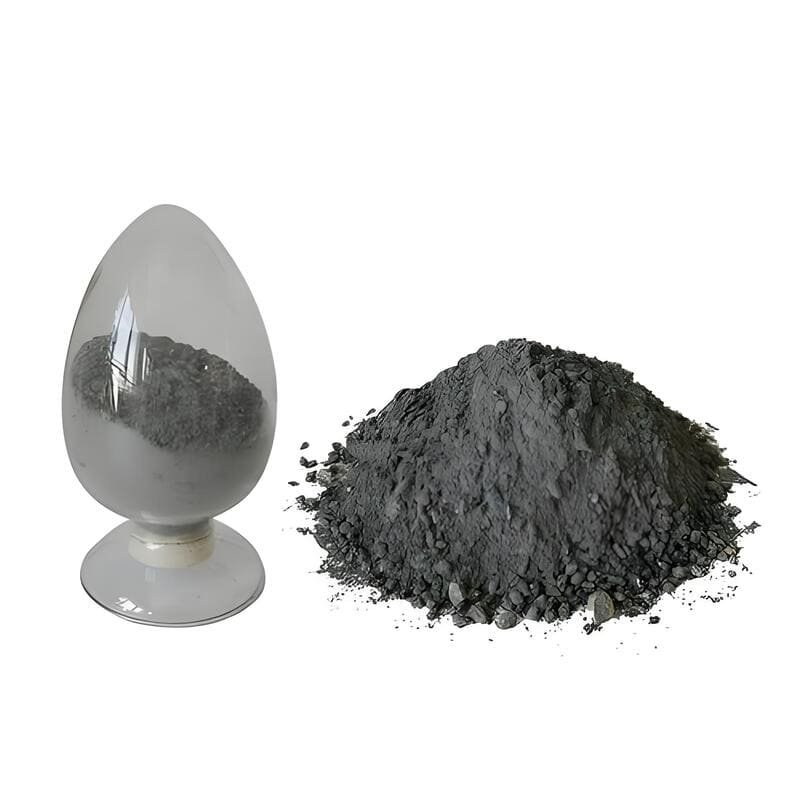
Thanks to its comprehensive advantages—including convenient installation, adjustable performance, eco-friendliness, energy efficiency, and superior airtightness—monolithic refractory castables have emerged as a key direction in the development of lining materials for modern industrial furnaces.
I. Ease of Construction and Application Adaptability
1. Efficient Application in the Metallurgical Industry
In the metallurgical sector—specifically in the lining of blast furnaces and hot blast stoves—the application of gunning refractories demonstrates significant advantages. With the emergence of new bonding technologies—such as those utilizing silica sol and alumina sol—the ease of application associated with gunning refractories has become even more pronounced compared to pre-formed refractory products, thereby substantially boosting construction efficiency.
2. Advantages in Diverse Construction Scenarios
Monolithic plastic refractories, distinguished by their exceptional plasticity, are widely utilized for lining the roofs of industrial furnaces. Meanwhile, refractory mortars, characterized by the ease with which they facilitate repairs, serve as an ideal choice for furnace lining maintenance.
In the copper and aluminum smelting industries, gunning refractories enable rapid, on-the-fly repairs without the need to shut down the furnace; this allows for the immediate resumption of production and significantly mitigates losses associated with downtime.
II. Process Simplification and Performance Advantages
1. Comparison of Production Processes
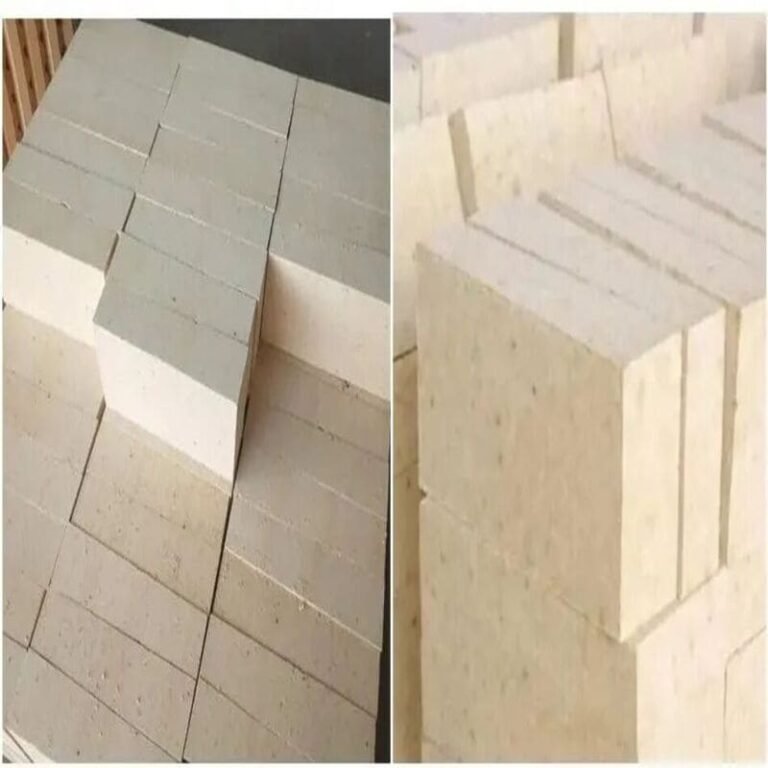
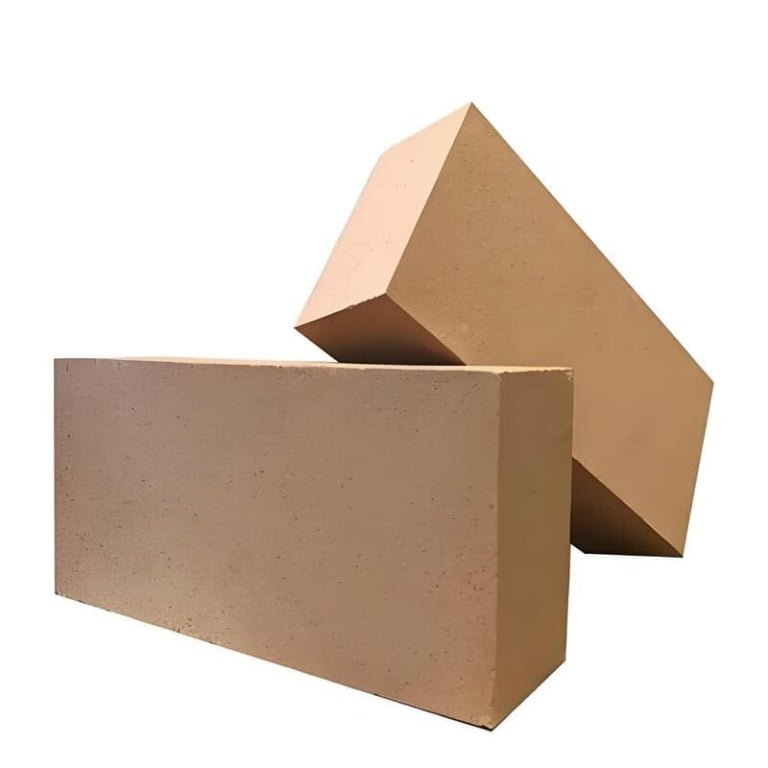
Compared to shaped refractory bricks, monolithic refractory castables do not require complex firing procedures, resulting in a simpler manufacturing process.
They demonstrate excellent performance in terms of high-temperature thermal resistance and resistance to various forms of erosion; furthermore, through the design of multi-component composite formulations, they can effectively withstand the harsh, complex, and cross-interacting atmospheric environments found within furnace linings.
2. Structural Stability and Service Life
Although slightly inferior to refractory bricks in terms of high-temperature fatigue resistance, castables can achieve significantly enhanced structural stability—and thus an extended service life—by incorporating reinforcing components such as steel fibers, alumina fibers, and zirconia fibers. This allows them to maintain their resistance to softening and deformation under high-temperature operating conditions.
III. Precast Technology and Airtightness Advantages
The widespread adoption of precast refractory blocks has effectively resolved the challenges associated with the excessive variety of refractory brick specifications and the high costs typically involved in lining specialized furnace sections. By being directly cast and molded to match the specific contours of the installation site, these precast components not only facilitate easier construction but also achieve a superior fit against the kiln shell; consequently, their airtightness is significantly superior to that of traditional refractory brick masonry structures. Currently, this technology has found extensive application in various fields, including the lining of rotary kilns.
IV. Environmental Characteristics and Comprehensive Benefits
The production process for monolithic refractory castables complies with national environmental protection policies, characterized by low atmospheric pollutant emissions and effective noise control. During transportation and storage, the monolithic nature of the material also offers significant logistical and management conveniences. Furthermore, the flexibility to customize binders and auxiliary materials allows the material to adapt to a wide range of atmospheric environments, while its short production cycle makes it particularly well-suited for responding to urgent repair and maintenance requirements.