
I. Overview
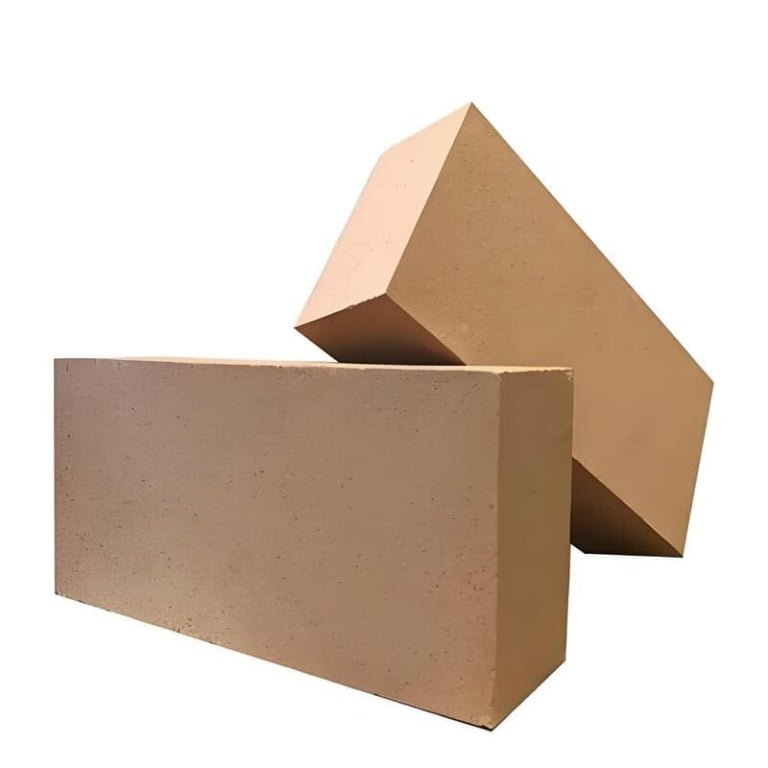
As a quintessential neutral refractory material, the comprehensive performance of high-alumina bricks is contingent upon a multitude of factors, including appearance quality, dimensional accuracy, and the crystalline phase structure resulting from firing.
Among these factors, the sintering temperature—serving as a core parameter in the production process—directly determines the product’s mechanical strength, thermal shock resistance, refractoriness under load, and operational stability. Scientific and rational temperature control constitutes the critical technical link for ensuring that high-alumina bricks meet quality standards.
II. Analysis of the Risks Associated with Insufficient Sintering Temperatures
1. Impact on Product Quality: If one were to lower the sintering temperature—for instance, by 20°C below the standard—solely to achieve a more desirable surface color, the resulting product would suffer from inherent defects. These include insufficient development of crystalline phases and inadequate structural densification, which significantly degrade the product’s physical performance metrics.
2. Impact on Operational Safety: While such defective products may not exhibit obvious issues when utilized in static furnace linings or non-critical sections, their performance degradation becomes acutely pronounced in dynamic kilns or under critical operating conditions. In severe cases, this can trigger safety incidents—such as the spalling or detachment of bricks—leading to the premature depletion of refractory materials, structural damage to the kiln body itself, and consequently, substantial economic losses.
3. Process Control Requirements: Therefore, there can be no compromise regarding the control of sintering temperatures. Precise regulation must be implemented based on the specific characteristics of the raw materials to ensure the full development of crystalline phases and the proper densification of the brick body, thereby fundamentally guaranteeing product quality.
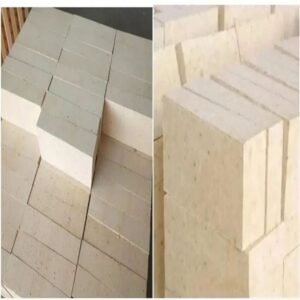
III. Risk Analysis of Excessive Sintering Temperatures
1. Deformation and Dimensional Deviations: Allowing sintering temperatures to rise excessively is equally undesirable. Temperatures exceeding the prescribed limits will cause high-alumina bricks to warp and deform, resulting in a loss of dimensional precision, which directly compromises the quality of masonry construction and overall operational performance.
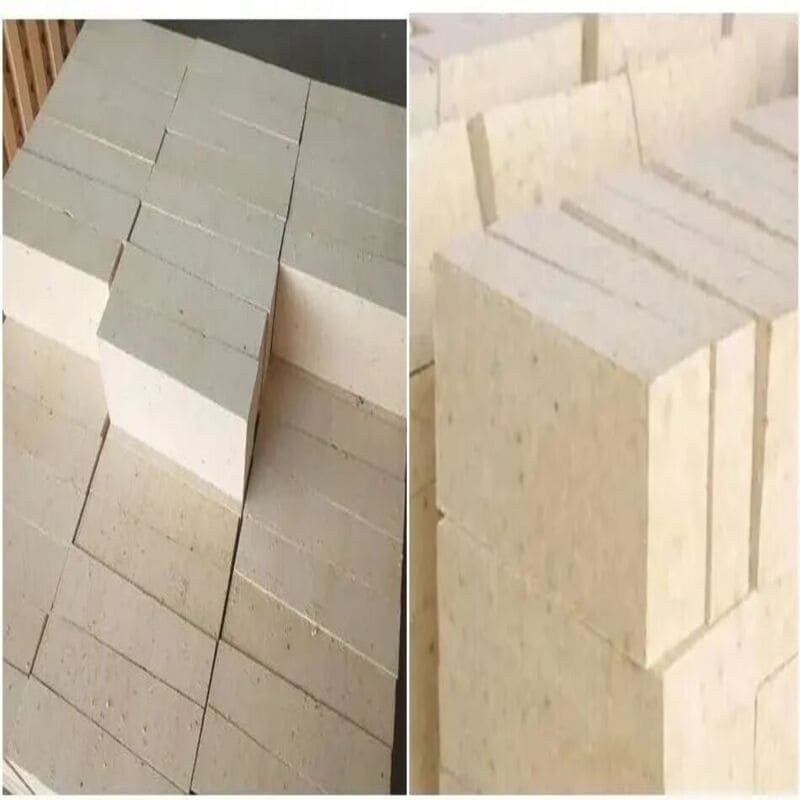
2. Defining the Temperature Range: Taking Grade II high-alumina bricks as an example, the normal sintering temperature must be strictly controlled within the range of 1420°C to 1440°C. Whether the temperature is too low or too high, it will lead to quality issues—such as visual anomalies (e.g., excessive whitening) or sintering deformation—thereby deviating from the optimal process window.
IV. Constraints Imposed by Kiln Equipment on Temperature Settings
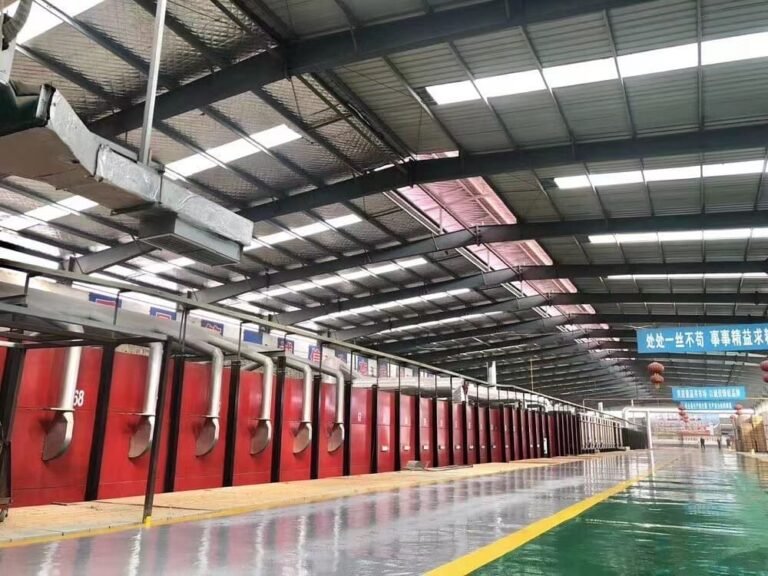
1. Temperature Control in Short Tunnel Kilns: For production lines utilizing shorter tunnel kilns, the upper temperature limit should not exceed 1450°C. If the temperature is too high, the risk of brick deformation increases drastically; conversely, if the temperature is insufficient, the formation of crystalline phases remains incomplete, leading to a decline in physical performance indicators.
2. Temperature Control in Long Tunnel Kilns: When employing a long tunnel kiln process—given the extended residence time within the high-temperature zone—the upper temperature limit must be even more strictly controlled, remaining within 1440°C, to prevent deformation caused by over-firing.
3. Principles of Comprehensive Optimization: The aforementioned differences demonstrate that the management of sintering temperatures requires a comprehensive optimization approach that integrates the specific characteristics of the kiln equipment with the properties of the raw materials; this constitutes a core technical aspect of high-alumina brick production.
V. Conclusion and Recommendations
High-alumina brick manufacturers must abandon shortsighted practices—such as the sole pursuit of aesthetic appearance or energy cost reduction—and instead prioritize quality control at the forefront of their production management. By scientifically regulating sintering temperatures to ensure that raw materials undergo crystalline phase transformation and densification under optimal conditions, manufacturers can fundamentally guarantee the operational performance and reliability of their products, thereby establishing brand credibility and achieving long-term sustainable development for the enterprise.