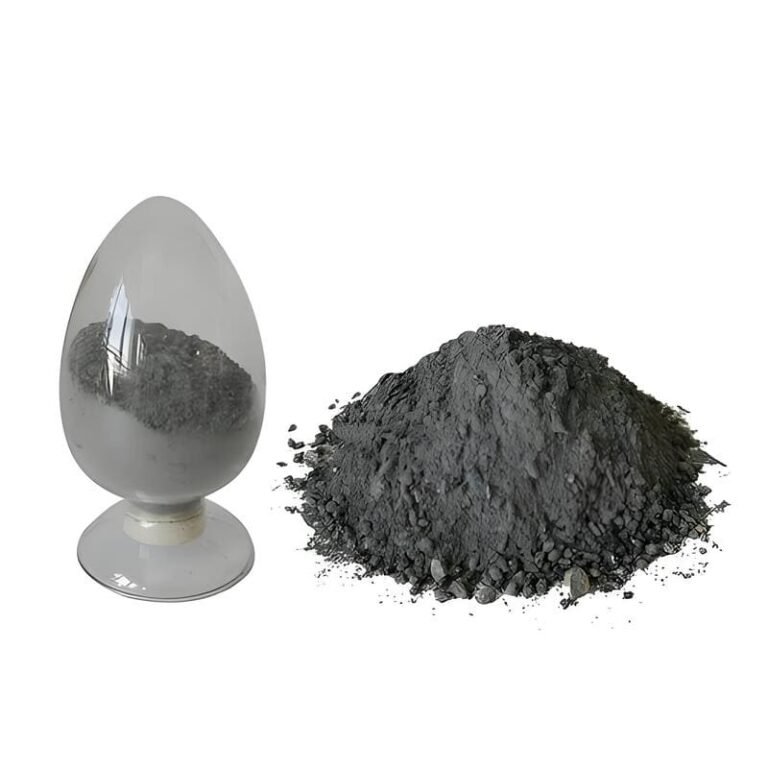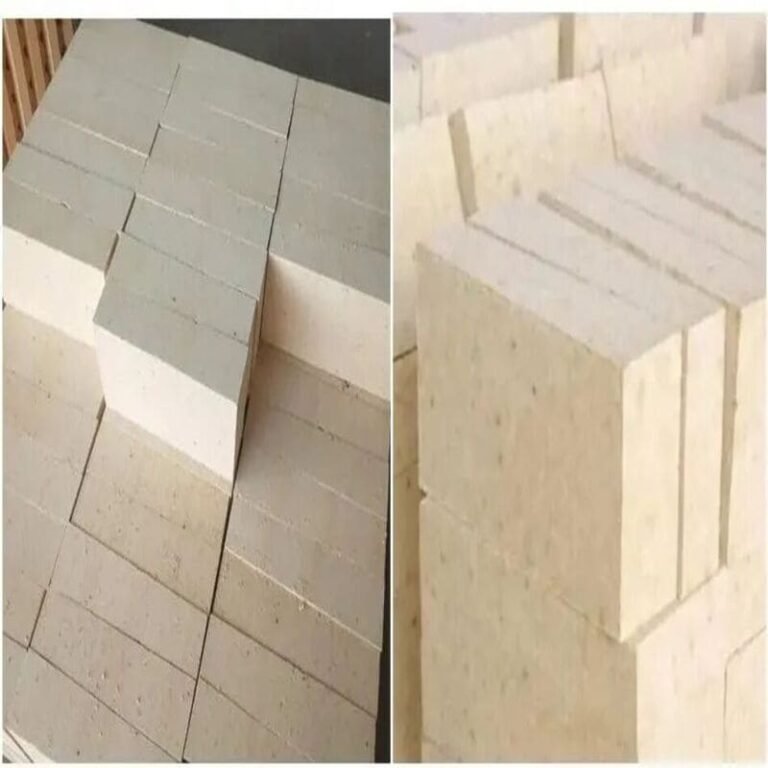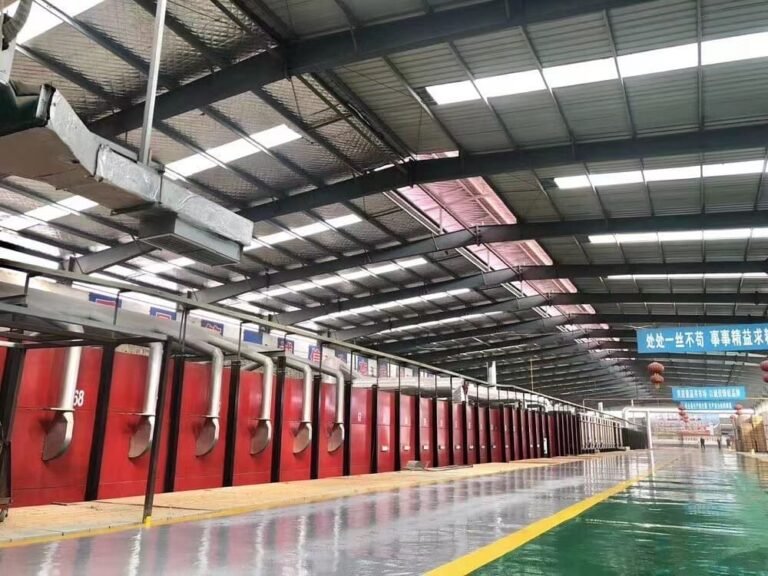


Highly refractory materials are substances with exceptionally high melting points (typically above 2000°C) that maintain structural stability and mechanical properties under extreme thermal conditions. These materials are critical for applications requiring resistance to intense heat, wear, and corrosion, such as furnace linings, aerospace components, and semiconductor manufacturing.
1. Key Definitions & Classifications
- Refractory Metals: A class of metals with melting points >2000°C, including tungsten (3422°C), molybdenum (2623°C), niobium (2469°C), tantalum (3017°C), and rhenium (3180°C). They exhibit high thermal/electrical conductivity, creep resistance, and corrosion resistance.
- Refractory Compounds: Binary/ternary compounds with even higher melting points. For example:
- Hafnium carbide (HfC): 3890°C (highest melting point among binary compounds).
- Tantalum hafnium carbide (TaHfC): ~4215°C (one of the highest melting points of all known compounds).
- Zirconia (ZrO₂): Used for extreme temperature applications.
- Silicon carbide (SiC) and graphite: Effective in severe conditions but oxidize in oxygen.
- Refractory Ceramics: Oxides, nitrides, and carbides (e.g., aluminum oxide, boron nitride) used in metallurgy, glassmaking, and kilns.
2. Critical Properties
- Extreme Heat Resistance: Melting points often exceed 2000°C, with some compounds exceeding 4000°C.
- Mechanical Stability: Resist deformation (creep) and wear at high temperatures.
- Chemical Inertness: Resist corrosion and reaction with molten metals or gases (though some, like SiC, oxidize in oxygen).
- Thermal Conductivity: Many refractory metals have high thermal conductivity, making them useful for heat management.
3. Key Applications
- Aerospace & Rocketry: Refractory metals (e.g., tungsten, rhenium) are used in rocket nozzles and heat shields.
- Semiconductors: Tungsten and tantalum targets are critical for sputtering functional films in chip manufacturing.
- Metallurgy: Refractory ceramics line furnaces and kilns to contain molten metals.
- Additive Manufacturing: Selective Laser Melting (SLM) is being explored to fabricate complex refractory metal parts.
- Energy Sector: Refractory alloys are tested for high-temperature power generation.
4. Challenges & Innovations
- Oxidation Resistance: Many refractory materials (e.g., SiC, graphite) oxidize in oxygen, limiting their use in air.
- Cost & Fabrication: High melting points make processing difficult; additive manufacturing (e.g., SLM) is a promising solution.
- Ductility: Refractory high-entropy alloys (HEAs) are being developed to balance strength and ductility at high temperatures.
Summary
Highly refractory materials are defined by their exceptional heat resistance, with melting points often above 2000°C. They include metals (e.g., tungsten), compounds (e.g., HfC), and ceramics, serving critical roles in extreme environments from aerospace to semiconductors. Ongoing research focuses on improving oxidation resistance, ductility, and cost-effective manufacturing.