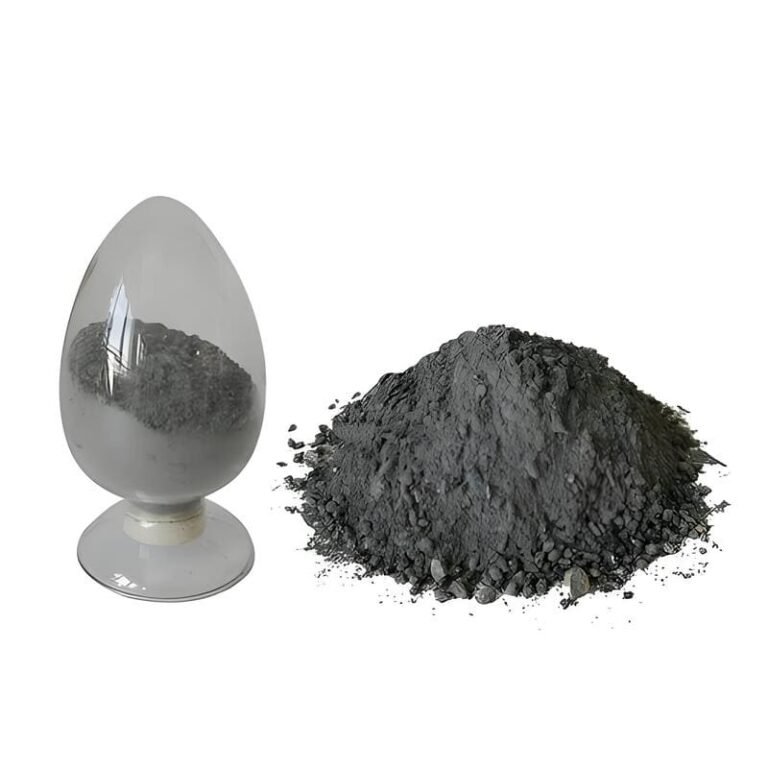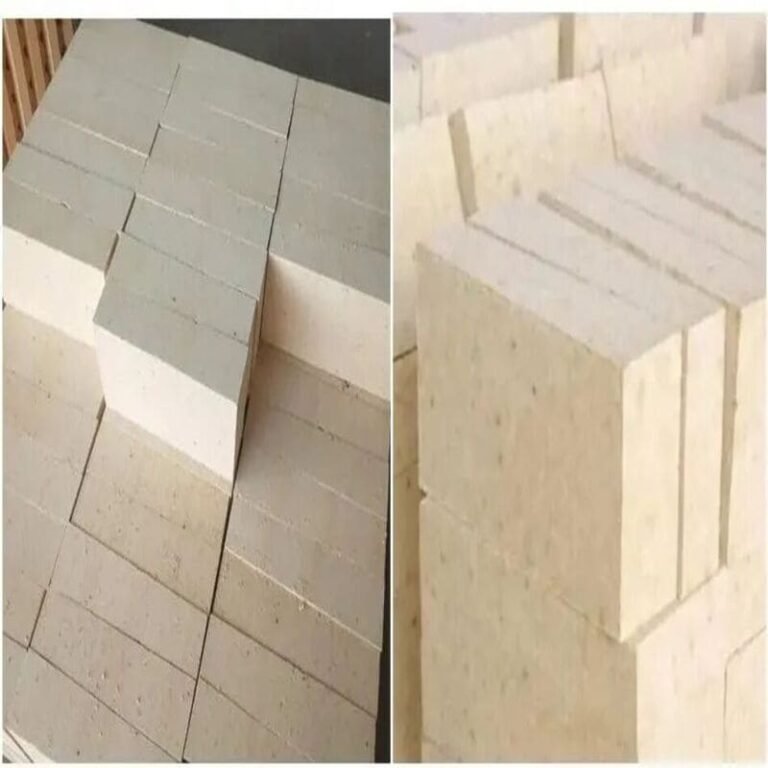

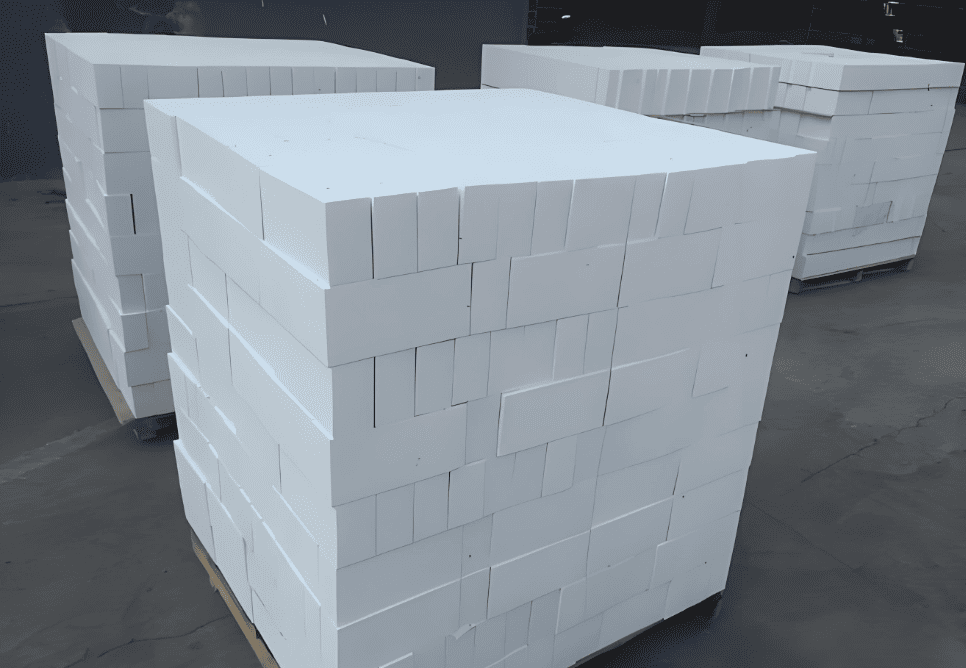
Alumina hollow sphere bricks are a type of high-performance lightweight refractory brick with the following advantages: light weight, high strength, stability, material saving, and long service life.
Alumina hollow spherical bricks perfectly combine the three major advantages of high temperature resistance, lightweight, and high-efficiency heat insulation. They are of great significance in energy saving, consumption reduction, and lightweight development of high-temperature industrial kilns, as well as in improving the temperature uniformity and stability of furnace linings.
Alumina hollow spherical bricks significantly reduce the overall weight of the kiln and lower the foundation load, especially for furnace lining sections with load-bearing requirements. Furthermore, their weight advantage reduces heat dissipation, saving 15-30% on fuel consumption.
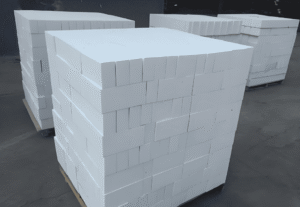
Currently, in the market, when using heavy bricks as the working layer in furnace linings at the same operating temperature, a layer of lightweight bricks is also required for insulation. However, if alumina hollow sphere bricks are used, this insulation layer is unnecessary, saving not only the amount of furnace lining material used but also 80% of the lightweight insulating bricks required. Furthermore, the special particle size of alumina hollow spheres allows them to withstand certain loads and airflow erosion.

Alumina hollow sphere bricks are a lightweight refractory material with excellent high-temperature resistance and energy efficiency, suitable for use in furnace linings of various atmospheres, especially in high-temperature kilns at 1800℃. The hollow spheres can also be made into high-temperature castables and insulating fillers, and can be in direct contact with flames during use. Currently, the bulk density of heavy bricks used in high-temperature refractory materials is 2.6~3.0 g/cm², while the specific gravity of alumina hollow sphere bricks is only 1.1~1.5 g/cm². For the same cubic meter volume, using alumina hollow sphere bricks can reduce weight by 1.1~1.9 tons, significantly optimizing furnace structure and reducing furnace weight.