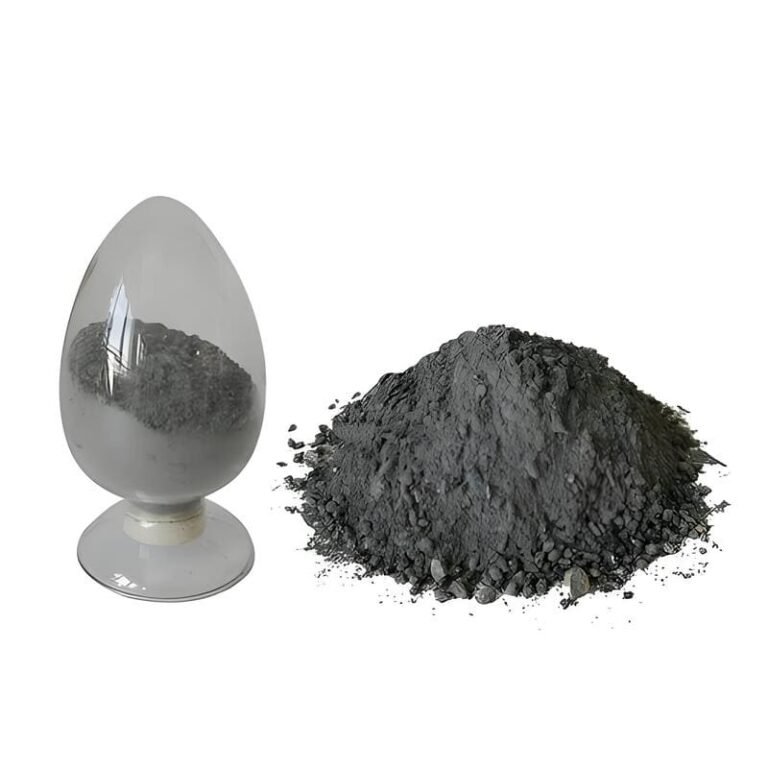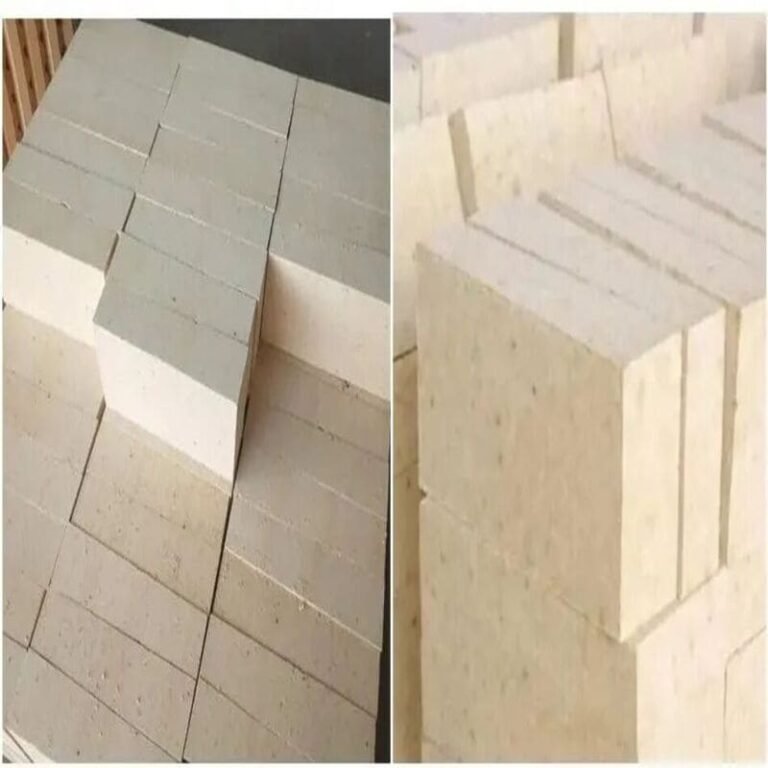

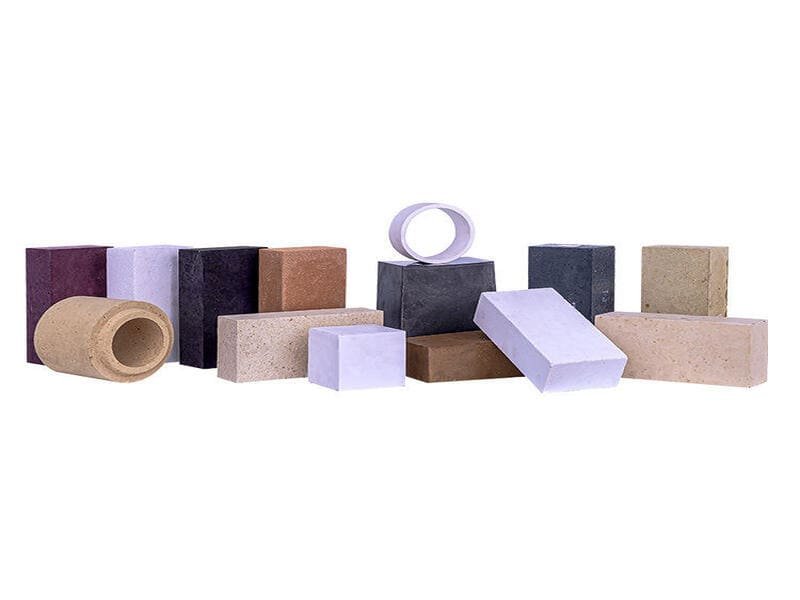
Refractory materials encompass a wide variety of types and complex applications; consequently, their classification methods are also diverse.
1
Classification by Chemical Properties
Based on their chemical characteristics, refractory materials can be classified into three categories:
(1) Acidic Refractory Materials: These are refractory materials in which silicon dioxide is the primary constituent; they primarily refer to silica bricks and zircon bricks. Acidic refractory materials are capable of withstanding corrosion by acidic slags.
(2) Basic Refractory Materials: These primarily refer to refractory materials in which magnesium oxide and calcium oxide are the main constituents, including magnesia bricks, magnesia-alumina bricks, magnesia-chrome bricks, dolomite bricks, and others. Basic refractory materials possess strong resistance to corrosion by basic slags.
(3) Neutral Refractory Materials: These primarily refer to refractory materials in which aluminum oxide, chromium oxide, and carbon are the main constituents—such as corundum bricks, high-alumina bricks, and carbon bricks. Their defining characteristic is their resistance to corrosion by both acidic and basic slags.
2
Classification Based on Refractoriness
Based on refractoriness, refractory materials can be classified into three categories:
(1) Ordinary refractory materials: Refractoriness ranging from 1580°C to 1770°C
(2) High-grade refractory materials: Refractoriness ranging from 1770°C to 2000°C
(3) Super-grade refractory materials: Refractoriness exceeding 2000°C
3
Classification by Forming Process
Based on the forming process, refractory materials can be classified into six categories:
(1) Natural rocks
(2) Slip-cast refractories
(3) Plastic-formed refractories
(4) Semi-dry-pressed refractories
(5) Rammed refractories (including both mechanical and manual ramming)
(6) Fused-cast products
4
Classification by Firing Method
Based on the firing method, materials can be classified into three categories:
(1) Unfired Bricks
(2) Fired Bricks
(3) Unshaped Refractories
5
Classification Based on Porosity
Based on porosity, products can be classified into seven categories:
(1) Ultra-dense products with an apparent porosity of less than 3%
(2) Highly dense products with an apparent porosity of 3–10%
(3) Dense products with an apparent porosity of 10–16%
(4) Sintered products with an apparent porosity of 16–20%
(5) Ordinary products with an apparent porosity of 20–30%
(6) Lightweight products with an apparent porosity of 45–85%
(7) Ultra-lightweight products with an apparent porosity exceeding 85%