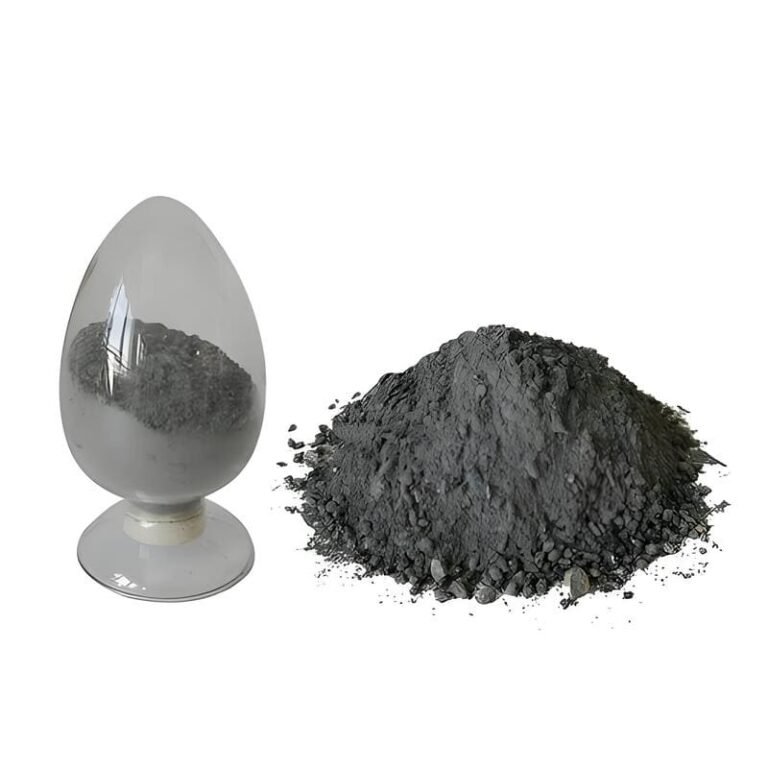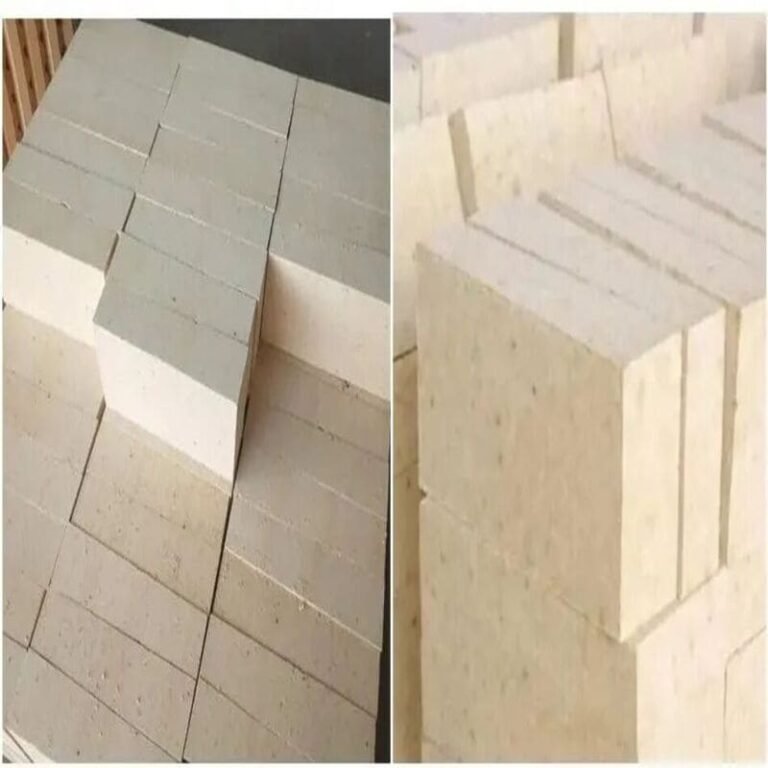

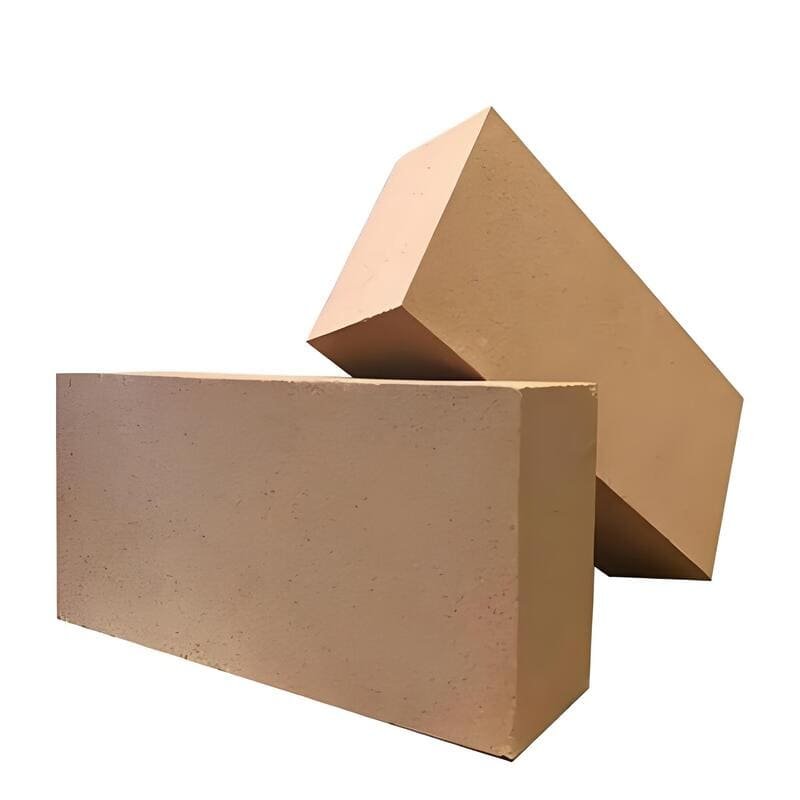
CCS stands for Cold Crushing Strength—the maximum load a refractory can withstand under compression at room temperature, measured in megapascals (MPa) or pounds per square inch (psi). It is the most commonly used indicator of a refractory’s structural integrity. A higher CCS generally means better resistance to mechanical stress, but it is not the only factor to consider.
Typical CCS Values by Material Type
Cold crushing strength varies widely depending on the refractory composition, density, and manufacturing process. Below are typical ranges for common products:
-
Clay bricks: 15–35 MPa
-
High-alumina bricks (50–80% Al₂O₃): 30–80 MPa
-
Magnesia bricks: 40–80 MPa
-
Magnesia-carbon (MgO-C) bricks: 30–50 MPa
-
Fused cast AZS: 80–200 MPa
-
Dense castables (monolithics): 30–100 MPa
-
Insulating firebrick: 2–10 MPa
Why CCS Matters
CCS reflects the refractory’s ability to resist:
-
Mechanical loads: weight of the lining itself, charge materials, or equipment.
-
Handling and installation: bricks with low CCS can crack during shipping or placement.
-
Structural stress: expansion forces, thermal gradients, and external impacts.
However, CCS is a cold test—it does not directly predict performance at high temperatures. A refractory with high CCS at room temperature may still fail under thermal shock or creep at operating conditions.
How CCS Is Measured
The test follows standard methods such as ASTM C133 or ISO 8895:
-
A cube or cylinder sample is prepared.
-
The sample is placed in a compression testing machine.
-
Load is applied steadily until the sample fractures.
-
The maximum load is divided by the cross-sectional area to calculate CCS.
Unit conversion: 1 MPa ≈ 145 psi
What to Look for When Selecting
-
Match CCS to application.
For load-bearing walls or furnace bottoms, choose materials with CCS above 40 MPa. For backup linings or low-stress zones, lower CCS may be acceptable. -
Do not over‑specify.
Extremely high CCS often comes with lower thermal shock resistance or higher cost. A balance is needed. -
Verify test conditions.
CCS values are sensitive to sample preparation and testing standards. Always compare materials tested under the same method.