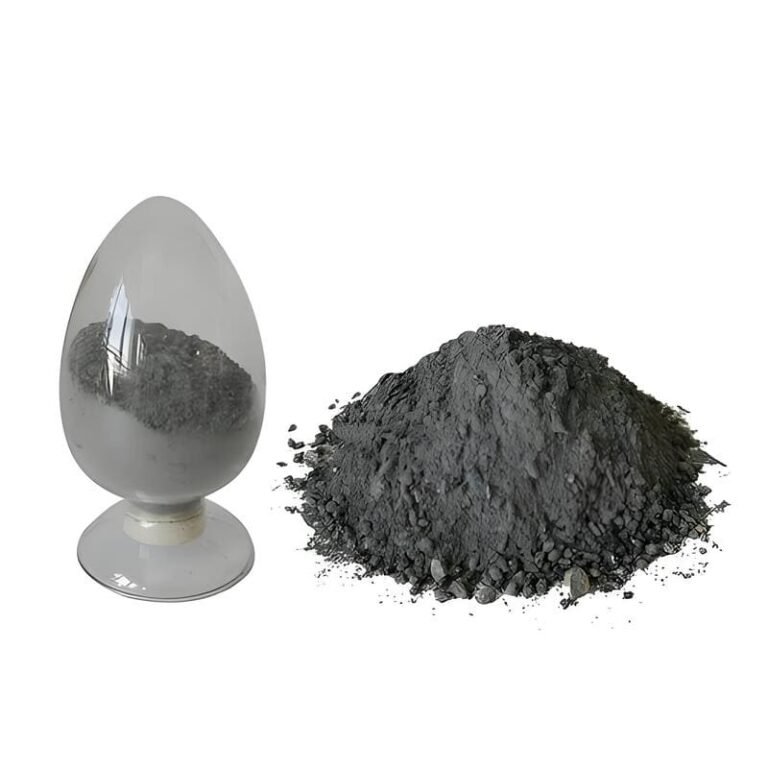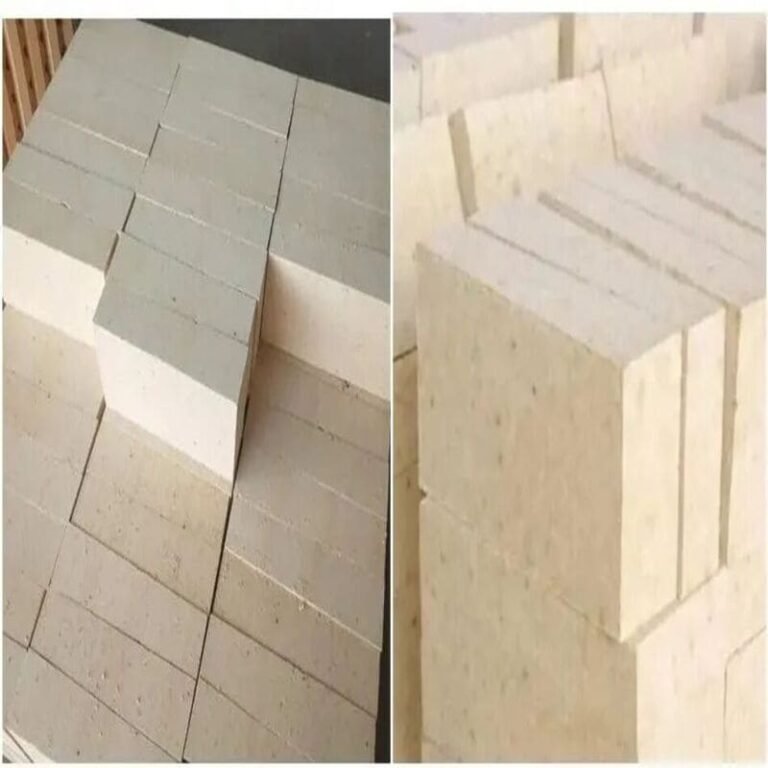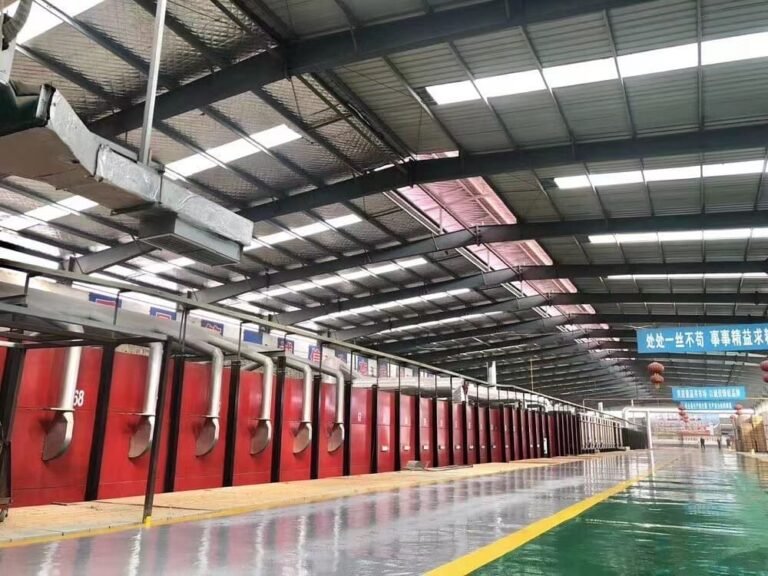

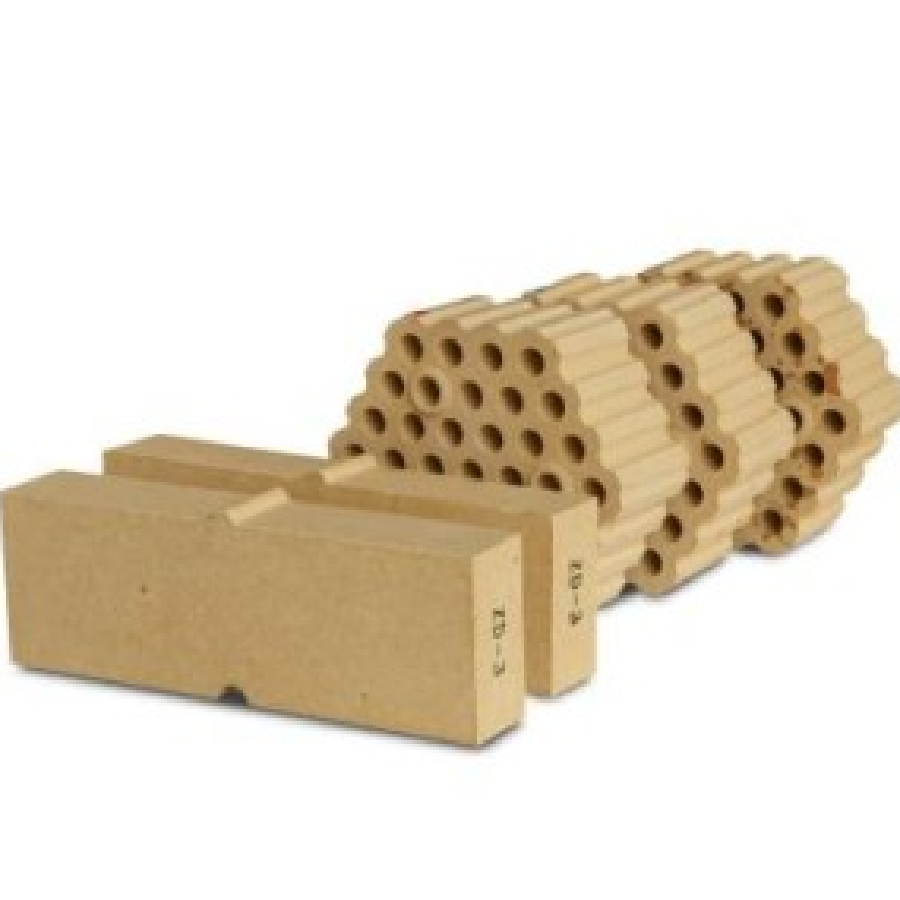
Typical refractory service life ranges from 6 months to over 10 years, depending on the material type and application. Clay bricks generally last 3–5 years in moderate conditions, while high-end fused cast products can exceed 10 years. Below are specific numbers for common refractory materials.
Service Life by Material Type
Clay Bricks
3–5 years
Used in backup linings, chimneys, and low-temperature zones. Lifespan depends on thermal cycling frequency. In intermittent kilns, expect closer to 3 years; in continuous operations, up to 5 years.
High-Alumina Bricks (Al₂O₃ 60–85%)
2–4 years
Common in cement kiln transition zones and steel ladles. Performance varies significantly with operating temperature—higher alumina content extends life but costs more.
Magnesia-Carbon (MgO-C) Bricks
300–1,500 heats
Used in electric arc furnaces (EAF) and basic oxygen furnaces (BOF). In EAF sidewalls, typical life is 300–500 heats; in BOF, high-quality MgO-C can reach 5,000–8,000 heats.
Magnesia-Spinel Bricks
12–24 months
Standard for cement rotary kiln sintering zones. Well-maintained kilns with stable operations often achieve 18–24 months before major relining.
Fused Cast AZS (Alumina-Zirconia-Silica)
5–12 years
Used in glass furnace superstructures and melt zones. This is the longest-lasting refractory category—upper structures often exceed 10 years, while the glass contact line may require replacement sooner.
Alumina-Based Castables (Monolithics)
1–5 years
Lifespan is highly application-dependent. In petrochemical fluid catalytic cracking units (FCCU), well-installed castables can last 5–10 years. In steel reheating furnaces, typical life is 2–4 years due to thermal cycling.
Silicon Carbide (SiC) Refractories
3–6 years
Used in aluminum melting furnaces and blast furnace lower stacks. SiC excels in abrasion resistance—its lifespan is often limited by oxidation rather than mechanical wear.
Why Lifespan Varies
Even within the same material type, actual service life can differ by 50% or more due to three factors:
-
Operating conditions: Continuous processes extend life; frequent start-ups shorten it.
-
Chemical environment: Slag composition and alkali content accelerate corrosion.
-
Installation quality: Poor anchoring or improper drying can cause failure within months.