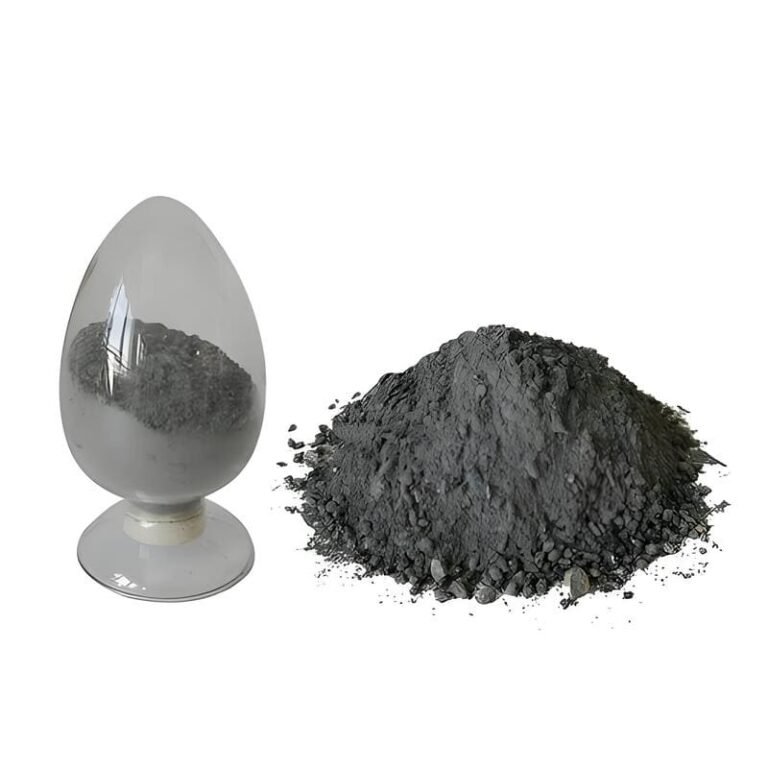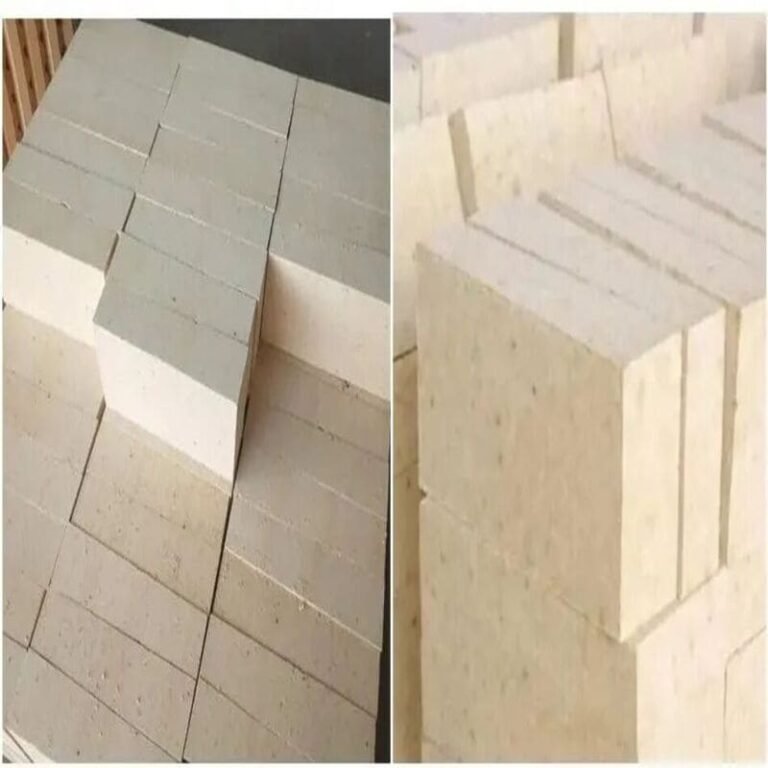


Clay refractory bricks are one of the most common types of refractory materials, with an Al2O3 content ranging from approximately 30% to 48%. These bricks are manufactured using calcined clay as the aggregate and refractory clay (either soft or semi-soft clay) as the binder; they are formed via the semi-dry or plastic method and subsequently fired at temperatures ranging from 1250°C to 1420°C.
The mineral composition of clay refractory bricks consists primarily of kaolinite (Al2O3·2SiO2·2H2O) and 6% to 7% impurities (oxides of potassium, sodium, calcium, titanium, and iron). The firing process of clay bricks is essentially a continuous process in which kaolinite undergoes dehydration and decomposition to form mullite (3Al2O3·2SiO2) crystals. During firing, the SiO2 and Al2O3 within the clay bricks react with the impurities to form low-melting-point eutectic silicates, which surround the mullite crystals. The principal mineral phases present in clay bricks typically include mullite, quartz, cristobalite, and an amorphous glassy phase.
Clay refractory bricks are classified as acidic refractory products; their acidity increases in proportion to their SiO2 content. While clay refractory bricks possess a certain degree of resistance to erosion by acidic slags, they exhibit relatively poor resistance to erosion by basic slags. Consequently, clay-based products are ideally suited for use as linings in acidic furnaces, and are also widely employed in various high-temperature kilns, such as blast furnaces, hot blast stoves, glass kilns, and carbon baking furnaces.